What does the "water when dry, water thoroughly" watering principle mean? Once you understand it, growing flowers isn't hard
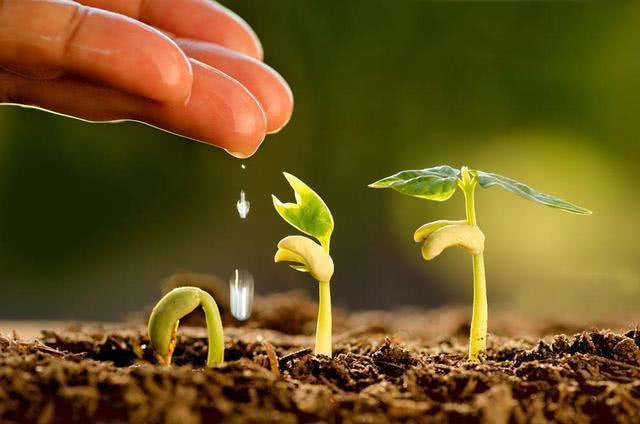
Nowadays, walking down a street, it feels like you run into many flower shops, which indirectly shows that more and more people are growing flowers, because everyone thinks growing flowers is a beautiful enjoyment, and the benefits that growing flowers brings people can't be explained clearly in just a sentence or two; only flower growers themselves can truly appreciate them. But when we grow flowers, whether we are beginners or experienced veterans, we easily run into problems with watering and fertilizing. Flower growers all understand the principle that "growing flowers depends 30 percent on fertilizer and 70 percent on water," yet very few people can truly master them.
What I want to share with you today is about the issue of watering. Growing flowers looks simple, but there is actually a great deal of knowledge in it. During the process of growing flowers, watering too much easily causes yellow leaves, leaf drop, and root rot. When many people grow flowers, they often can't control themselves and want to give the plants more care, but as soon as they do, the flowers get watered to death. However, many friends understand the growth habits of the flowers and know their care requirements, and their plants grow very well. When watering flowers, you must follow one principle: "water when dry, water thoroughly." But how many flower lovers truly understand what it means?
When I first started growing flowers, I thought "seeing moisture" just meant that as long as water seeped out from the bottom, the watering was done properly, but in fact this situation very easily leads to no water at the roots. "Seeing dryness" meant waiting until the water in the flower pot had dried before watering. The result of understanding it this way is that the flowers often don't grow well. Actually, this understanding is wrong; it is only the literal meaning.
The real "water when dry, water thoroughly" means that when we notice the surface of the potting soil has begun to dry, we should start preparing to water it, rather than waiting until the soil has completely dried out before watering, as we understood it to mean. That easily causes the flowers to lack water, which is not good for their growth. When watering, if you want to water thoroughly, it is best to let water seep out from the bottom of the pot, and after watering we should dig into the flower soil to check the watering situation and see whether it has truly been watered through.
Each time, I wait until the upper layer of potting soil has dried out by 2 to 3 cm before watering thoroughly. Since I started watering it this way, I have never again seen the leaves drooping. Even in the scorching heat of summer, it is the same. Later I specially bought a detector to test it, and its data showed that my watering method was correct. The true meaning of "water when dry, water thoroughly" is that when the surface of the potting soil in the pot has dried, we should water it, rather than waiting until the potting soil has completely dried out before watering, as we understood it to mean. Each time we water, we must water thoroughly in one go, so that the roots won't lack water. This is what "water when dry, water thoroughly" truly means!
How many flower lovers misunderstood it at first, just like me? For most of the flowers in our lives, such as Cape jasmine (Gardenia jasminoides), junzi orchid (Clivia miniata), asparagus fern (Asparagus setaceus), and the like, watering must follow the principle of "water when dry, water thoroughly." This is a hurdle you cannot get past. Only by watering this way will our flowers avoid waterlogging or lack of water caused by too much or too little watering, which leads to root rot. Once this problem is solved, the flowers can naturally be cared for well.
"Water when dry, water thoroughly" actually means this. I never understood it before, no wonder I couldn't grow flowers well! Do you understand now? Don't make the same mistake I did! All right, that's all for today's article. Thank you for reading. If you want to learn more about growing flowers, you are welcome to follow the author Baihua Ji!