Think fertilizing is too much hassle? Put a little of this in the pot and you won't need to fertilize for a year
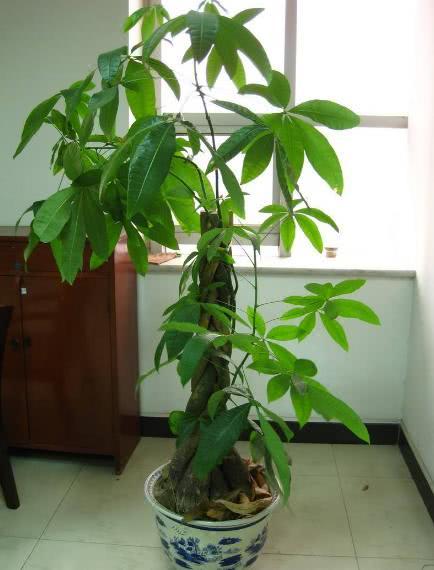
When we usually grow flowers, the most indispensable step is fertilizing, but this is also a very important step. The hardest part is not knowing what kind of fertilizer to apply and what the dilution ratio of the fertilizer should be. These are all things we find difficult to get right. One careless mistake and there will be excess nutrients, causing the plant to fail to grow; another careless mistake and there will not be enough nutrients, so fertilizing looks the same as not fertilizing at all. This makes us very anxious, and we really do not know what to do. Today, the editor brings you a homemade fertilizer. This fertilizer is especially rich in nutrients, and the materials for making it are also very easy to find. Next, let's get into today's topic!
We all drink soy milk at home, right? Then we should know that soy milk is made from soybeans, so soybeans must be something very easy for us to obtain. We can use whole soybeans as the raw material, or we can choose the okara left over from making soy milk. Today we will talk about using whole soybeans as the main topic!
First, we find the soybeans. Of course, there is no need to say this, they can definitely be found. Then wash the soybeans clean and put them in a pot to cook until done. What is the definition of cooked through? It is the degree where, when we cook cowpeas, they are very soft when bitten in the mouth. They need to be cooked to this degree. If they are not cooked through, the consequences will be serious. Uncooked soybeans placed in the soil will sprout. Then the soybeans are no longer the nutrients we hoped for, but "soybean sprouts" competing with our plants for nutrients. This will not do.
The best method is to first soak the soybeans in clean water for two hours. At this time, the idea is actually to promote the soybeans to sprout, but we do not really want to promote their sprouting, so afterward we put them in a pot and cook them until done. At this point, no matter how good the soil they are placed in, they cannot sprout. We have already cut off their path to life. Of course, this is our goal!
Next, we need to bury the cooked soybeans in the soil. Of course, choosing 3-5 soybeans is enough, and they must be buried far away from the roots. Otherwise, after the soybeans decompose, they will produce a lot of heat, but plant roots are very fragile and simply cannot tolerate such high heat. So we cannot bury the soybeans close to the roots; they must be kept far away. After burying them, we need to water the plant thoroughly. In this way, the whole fertilizing action is successfully completed.
If we feel we do not know what distance from the root system is suitable for burying them, then we can choose another method. After we cook the soybeans in the pot until done, the soybeans will become very soft. We can take the soybeans out, wait for them to cool, then use a small tool to mash the soybeans, put them into a plastic bottle, and then add clean water. It is enough for the clean water to cover the mashed soybeans.
Next, we need to put the bottle cap on, leave a small gap, and wait for it to ferment. Our main purpose is actually to let it ferment, because only then is it the most useful fertilizer. We sun it in the sun for about one month, and it should be fully fermented. Then our fertilizer is ready. When it needs to be used, we directly mix it with clean water and apply it beside the plant's root system.