Watering flowers has its rules, and the best time to water is really not up to you
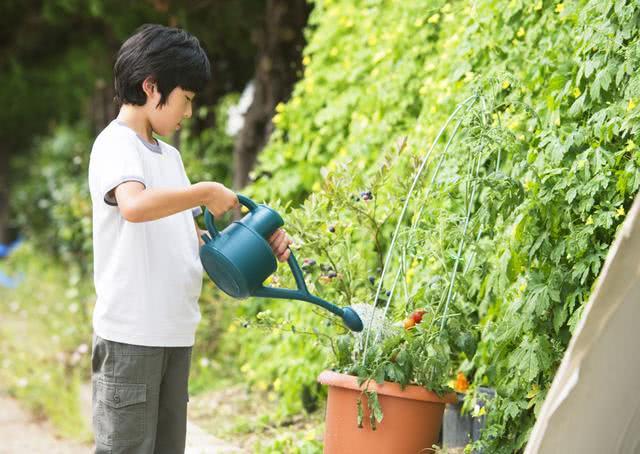
Many flower lovers do not know how their plants got damaged. They do add water regularly in daily care, so why do the leaves still turn yellow, wither, and droop? In fact, it is not that your plants will grow healthily just because you water them, but rather that only when you water correctly can they grow well. Watering flowers is actually a field of knowledge, and if you have not understood it, it is entirely possible for the plants you grow to suffer damage. Today we will analyze for you which seasons and which time periods are most effective for watering flowers.
In different seasons, the watering time within a day varies. In summer, watering in the morning is better; in winter, watering at noon is better; in spring and autumn, watering in the evening is better. Although watering at these times in these seasons is relatively suitable, it must also be combined with the specific growth conditions of the plants, and it does not mean watering every day as soon as the time comes. Other external factors may also change this watering rule, such as the dryness or moisture level of the potting soil, changes in the weather, the size of the flowerpot, and so on, all of which are extremely important influencing factors.
No matter what temperament the plants have, when watering, you must never let their roots remain in a highly moist state for a long time. Besides controlling the amount of water, you also need to improve the drainage of the soil. If the soil is dry and caked, the amount of water that runs off will be large, and the root system will not be able to fully absorb water, so wilting caused by water shortage will naturally appear.
When the weather is rainy or overcast, try not to water. If plants grown outdoors can be moved indoors, move them as soon as possible to avoid being soaked in rain for a long time, which can cause root rot. The air on rainy days is relatively humid, and the leaves of the plants will absorb moisture from the air, so the water supply to the roots can be delayed. If you still water at this time, the water in the pot will keep accumulating in the soil without being absorbed or evaporated, which can likewise cause root rot.
In addition, the size of the flowerpot is also very important. If the flowerpot is relatively deep and large, its water-holding capacity will be stronger than that of a small flowerpot, and the watering interval can be slightly extended, because sometimes the soil on the surface has already become dry while the soil at the bottom is still moist, so do not be fooled by appearances. However, for plants grown in small flowerpots, daily watering can be more frequent. After all, the drainage performance of the potting soil is better, and when the soil is dry and whitish, you can water twice a day.
These few small rules about watering will hopefully be of some help to beginners. Once you grow more plants, you will gradually gain experience, and by then you can water your plants more freely.