A fruit that looks like bamboo, eaten every day 30 years ago, now increasingly rare
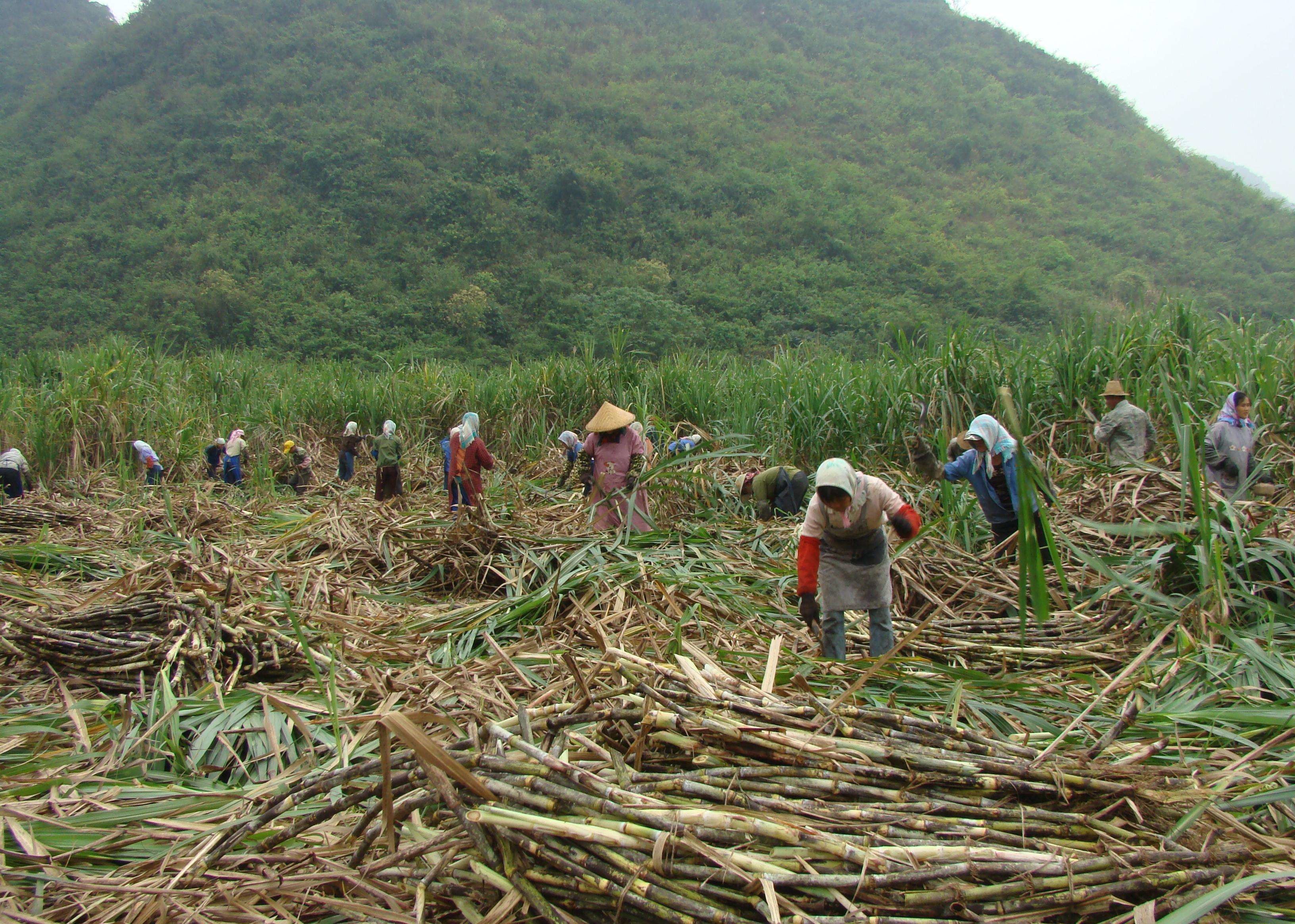
I grew up in the countryside as a child. When autumn came, we would go into the fields to snap off corn and roast it, or dig up sweet potatoes to eat. For children who grew up in the countryside, these were boundless childhood joys. Autumn happens to be when the weather is neither too hot nor too cold. When the parents went to work in the fields, we children would be in the fields figuring out what could be eaten, truly mischievous. Today I will introduce to you a fruit that we often ate in our childhood, that is, more than 30 years ago. It is bamboo cane.
Bamboo cane is a type of sugarcane. The sugarcane we usually see has purple skin, and the cane stalks are rather thick; bamboo cane is actually a kind of green-skinned sugarcane, and the stalks are a bit thinner. At first glance, the green, swaying stalks make you think they are bamboo. When I was little, bamboo cane could often be seen in our countryside. When the bamboo cane ripened, we really could eat it every day. Back then, when we wanted to eat it, we would go to the field and cut a stalk to eat. It was both fresh and delicious. Apart from being thinner and harder, bamboo cane is still fairly sweet.
Bamboo cane has a very high sugar content, so it does not taste any worse than sugarcane. In the past, farmers planted bamboo cane because it has especially strong adaptability. If a plot of land was very barren and crops might not grow well there, farmers would plant bamboo cane to keep the land from growing weeds, and the bamboo cane could then also be processed into feed for the family's livestock. In fact, bamboo cane also has great commercial value. In the southern regions it is the main raw material for making cane sugar. Some of the processing waste from bamboo cane can also be used as raw material for papermaking. Bamboo cane contains abundant fiber, and these fibrous materials can also become raw materials for some industrial products.
But later, with the progress and development of society, fewer and fewer farmers now grow bamboo cane. By now it is basically nowhere to be seen, and many people have only seen purple-skinned sugarcane, never green-skinned sugarcane. It is only still grown near some old sugar factories in the south. This bamboo cane, which can grow on barren land, could be eaten every day back in our childhood more than 30 years ago, but now not even a trace of bamboo cane can be seen. Can you still see it now?