9 Tips for Container Gardening: Even Beginners Can Easily Grow Flowers Well
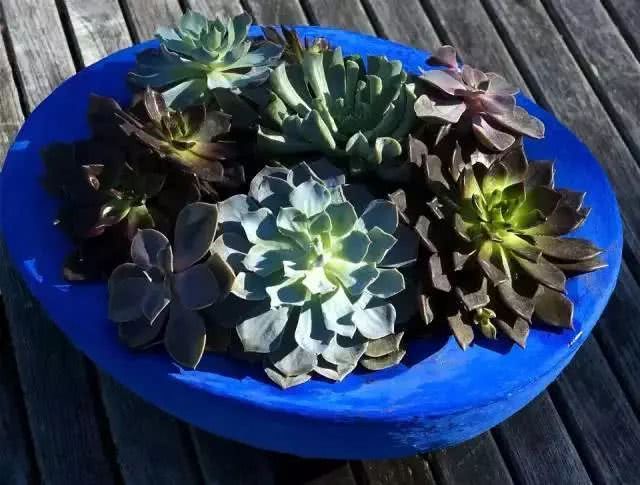
Once you truly master the skills of caring for potted flowers, you will find that growing flowers becomes easier and easier, and you will spend more time admiring your plants instead of ending up with an empty pot. Below are some gardening tips suitable for beginners.
1. Avoid waterlogging
When caring for potted plants, the most critical issue is watering. Before planting, you must choose a pot with drainage holes large enough; pots without drainage holes cannot be used for soil-grown plants.
Waterlogged soil easily causes root rot, and soil that stays wet for a long time can also lead to root rot. If you find that the moisture in the soil cannot dissipate for a long time, be sure to place it in a well-ventilated spot and dry out the excess water promptly.
2. Soil mixing
Some people do not know how to mix soil, and their potting soil easily becomes waterlogged and clumps together. You can add 2 to 3 equal parts of river sand or perlite to the soil, along with a suitable amount of decomposed organic compost, to ensure the soil is fertile, loose and well-draining. You can also choose containers with excellent breathability and drainage, such as the common terracotta pots and clay pots.
3. Provide appropriate light
When caring for potted plants, you need to provide appropriate light. The vast majority of plants need a certain amount of light to grow well. If kept indoors without sunlight, you need to supplement with enough artificial lighting. Do not keep plants in a completely dark place.
When caring for potted plants in summer when it is excessively hot, you should also provide appropriate shade and avoid exposure to strong sun in the afternoon. Before growing flowers, you need to understand their sunlight requirements and know the plant species clearly.
4. Supplement fertilizer regularly
Most soils cannot provide plants with a continuous supply of nutrients. During the growing season, you need to regularly supplement fertilizer so that plants and flowers grow well and bloom.
Most flowers grow in spring and summer, so at this time you should supplement with a slow-release organic liquid fertilizer every 2 to 3 weeks. For plants kept indoors, reduce the amount and frequency of fertilizing, and do not make the concentration too strong, otherwise it can easily burn the plants.
When the weather starts to turn cool in autumn, gradually stop fertilizing. Be careful not to apply raw fertilizer, that is, various fertilizers that have not been decomposed, such as the common tea dregs and coffee grounds. Rice-washing water that has not been fermented should also not be poured onto the soil.
5. Understand the growth habits of flowers
Before buying plants, first understand clearly whether your home environment is suitable for growing a certain plant, whether the care location has light, how the ventilation is, and so on.
Common foliage plants are very suitable for growing indoors. They are usually various potted green plants and can grow well in shaded indoor spots.
If they are flowering plants, then they should be grown on a balcony or in a yard with more light.
6. Combination planting
Not all plants are suitable for planting together. You should plant plants that like the same amount of light in the same pot, or plants that like more water, such as the common mint, basil and cilantro, which can be planted together.
If they are drought-tolerant plants, they can also be planted together, such as the common aloe, snake plant, jade plant and Portulacaria afra.
7. Make labels for plants
If you are a gardening beginner, you will often forget the variety of a certain flower and its growth habits, and you will not know how much light, water and fertilizer it likes.
Then you need to stick a label next to the plant so you can record its growth habits. For example, with common small gardening labels, you can write the points to note on them in pencil.
8. Dealing with pests and diseases
Beginners are all very afraid of dealing with plant pests and diseases. Once they find diseased leaves or pests on a plant, they are completely confused and do not know how to handle it. Some friends even directly throw away these plants with pests and diseases.
Once you find that a plant is infected with pests or diseases, deal with it promptly. Cut off all diseased leaves and branches and spray fungicide in time.
If pests are found, remove them promptly as well. If you grow many flowers at home, you can prepare more common insecticides.
9. Learn to propagate plants
Among the joys of caring for potted flowers, learning how to correctly propagate flowers is also very important. You can use plant branches for cuttings propagation. To increase the success rate of cuttings propagation, you can prepare some rooting powder.
Before taking cuttings, remove the lower leaves, cut the bottom at an angle, dip it in a little rooting powder, and then insert it into the soil. Keep the soil moist, the environment ventilated and maintain a certain air humidity. A temperature of around 20°C is best.