How to grow roses in pots? Basic tips every beginner must know
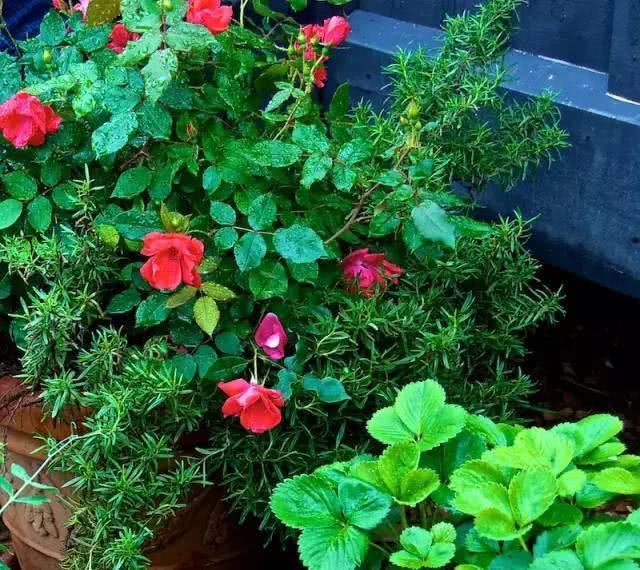
If you do not have a big yard to plant roses, you can choose to grow them in pots, but you need to pay attention to some basic tips. The spot where you keep the roses must get as much direct light as possible, with more than 6 hours of direct sunlight every day. Avoid keeping them in a shady environment, and keep the area well ventilated and bright.
If you do not have much space to grow roses, then trying to grow roses in pots is a great option. There are many varieties with different flower colors, and they can add brilliance and fragrance to your home. Let us take a look at the things you need to pay attention to.
1. Choose the right variety
The roses grown in pots are best as miniature roses, such as the common Green Ice, Romantic Baby, Sweet Carousel, and Bico. Not all roses are suitable for pot cultivation. It is best not to grow all kinds of climbing roses in pots, because they need supports to climb and grow. Grown in pots, they will find it hard to produce large flowers, and if you do not pay attention to pruning, they will grow onto the neighbor's balcony.
Besides miniature roses, you can also grow some short rose varieties.
2. Pay attention to watering
For roses grown in pots, be sure to keep the soil well drained. You can add enough drainage material to the soil, such as the common perlite or river sand, to avoid root rot.
The container for growing roses must have enough drainage holes to ensure good drainage. Roses like dry conditions and do not like soil that stays wet for a long time.
Only during the spring and summer growing season do you need to wait until the surface soil is dry and then water thoroughly. In autumn and winter, you can wait until the soil is completely dry for a few days before adding water.
The best time to water is in the morning. Avoid watering at night. Do not let water remain on the leaves at night. Leaves that stay wet for a long time can easily lead to powdery mildew or other fungal diseases.
When watering, it is best to pour water directly into the soil, directly at the roots of the roses, rather than spraying with water.
3. Fertilize regularly
If you want potted roses to bloom often, you definitely need to add fertilizer regularly. In spring and summer, generally give a slow-release organic liquid fertilizer once a week, which can promote continuous growth. After autumn turns cool, reduce fertilizing appropriately, and stop fertilizing in winter, making sure the soil has sufficient fertility.
Of course, keep to light fertilizer applied frequently, avoid giving concentrated fertilizer, do not let fertilizer remain on the leaves, and after each liquid fertilizer application, water once with clean water.
4. Repot regularly
Potted roses do not need to be repotted every year. You only need to repot after the roots have filled the entire pot of soil. Generally, they need to be repotted once about every 3 years.
Some very vigorous roses need repotting about once every two years. Repotting is generally done during the dormant season in winter and spring, before the roses have resumed growth.
When repotting, also remove the old soil and prune the branches and leaves appropriately, so as to help the roses recover growth faster.
5. Prevent frost damage
Potted roses also need protection from frost damage. Generally, cold protection should start after the weather turns cold in late autumn. If the temperature is not too low, around zero degrees, you can spread some mulch on the pot soil, such as the common peat soil or felt, to prevent the roots and stems from freezing to death. They can also recover after the weather warms up the following spring.
Of course, you can also move the potted roses directly indoors to overwinter, which can also keep the roses from freezing. However, place them in a spot with sufficient light. Avoid keeping them in a dark environment, otherwise the plants are likely to grow leggy.
6. Pests and diseases
It is impossible to grow roses without pests and diseases. The most common are aphids. They usually gather on buds and leaves. Aphids suck sap and cause branches and leaves to wither.
When there are relatively few aphids, you can wash them off with a large amount of water, directly washing the pests away. Of course, do not let the leaves stay wet for a long time, otherwise they can easily become infected with fungal diseases.
In daily rose care, apply fungicide regularly. Cut off diseased leaves promptly. Spray fungicide every week, about 3 to 4 times in a row, and the fungal diseases can be completely dealt with.
7. Prune appropriately
Growing roses definitely requires regular pruning. It can control the plant shape and also promote branching, which helps produce more flowers.
The pruning time is generally after the frost is about to end. You can also prune appropriately when the weather warms in spring and branches and leaves keep sprouting. Avoid pruning in the hot and humid summer.