How to prune lucky bamboo? A step-by-step guide to the correct method
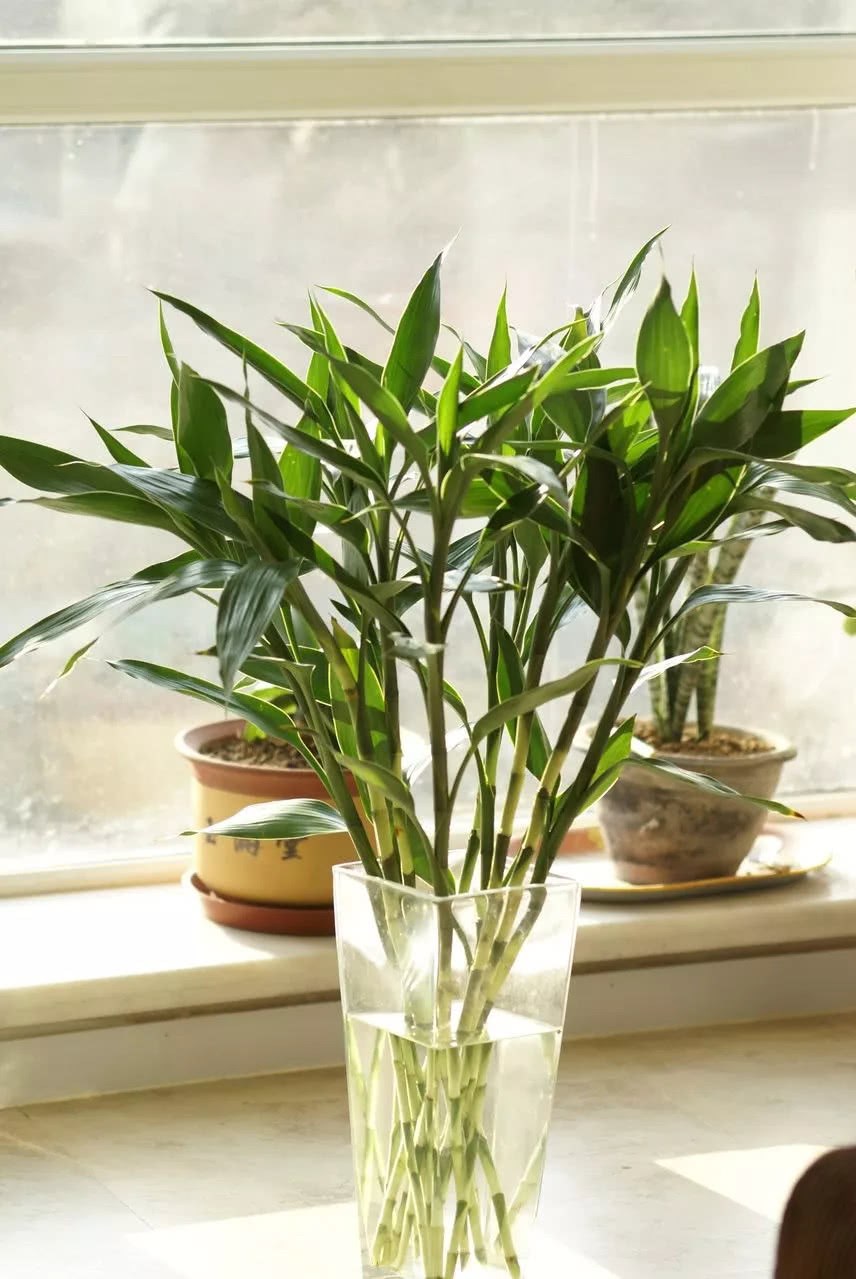
When it comes to plants that bring wealth and are easy to grow, lucky bamboo (Dracaena sanderiana) is definitely one you can't miss. Just stick a few stems in a vase and they will take root and survive. Although it can be grown simply in water, pruning is still essential. If left unpruned for a long time, not only will the plant's shape look unattractive, but it will also affect their growth.
Today, we will show you step by step how to prune the lucky bamboo in your home. Follow along and learn!
First, we need to determine when lucky bamboo should be pruned.When the shoots of lucky bamboo grow too long, or when the stems and roots become infected and rot, in these two situations we must pick up the scissors.
If the shoots of lucky bamboo grow too long, it will not only affect the overall shape of the plant but also affect its growth. We must prune the overlong shoots, and cutting at about 0.5cm from the mother plant is most appropriate.
After pruning, we need to soak the wound in potassium permanganate solution for about one hour. This step is very important. Then let the wound dry and reinsert it into the vase for care.
So when the roots of lucky bamboo rot and need pruning, what should we do?
First, we need to determine the infected location. Infected and damaged roots and stems are relatively soft and can be felt by squeezing with your hand. Cut off all the softened roots. If the cut surface shows a normal root color and the stem is firm, it means the pruning has been done properly.
After pruning, it still needs to be soaked in potassium permanganate solution for sterilization to prevent bacteria from continuing to infect healthy roots. After soaking, the lucky bamboo should be dried at the wound before being placed in water for care. In about half a month, roots will grow.
Pay special attention: lucky bamboo does not like running water. After it has rooted, do not change the water for them. When the water level in the vase decreases, simply top it up in time. Frequently changing the water is not only unfavorable to their growth, but can instead cause yellow leaves and slow growth.
After the roots have grown stronger, we can add some nutrient solution to the water, or take a few granules of compound fertilizer, dissolve them in water, dilute, and add to the vase. (FollowYanghua ZhijiaWeChat public platform, replylucky bamboo, and you can get more tips for caring for lucky bamboo)
Friends, have you learned it?
If you also like growing flowers, follow us!