There are ways to make a potted kalanchoe burst with blooms; digging holes and burying oil or sheep manure both work
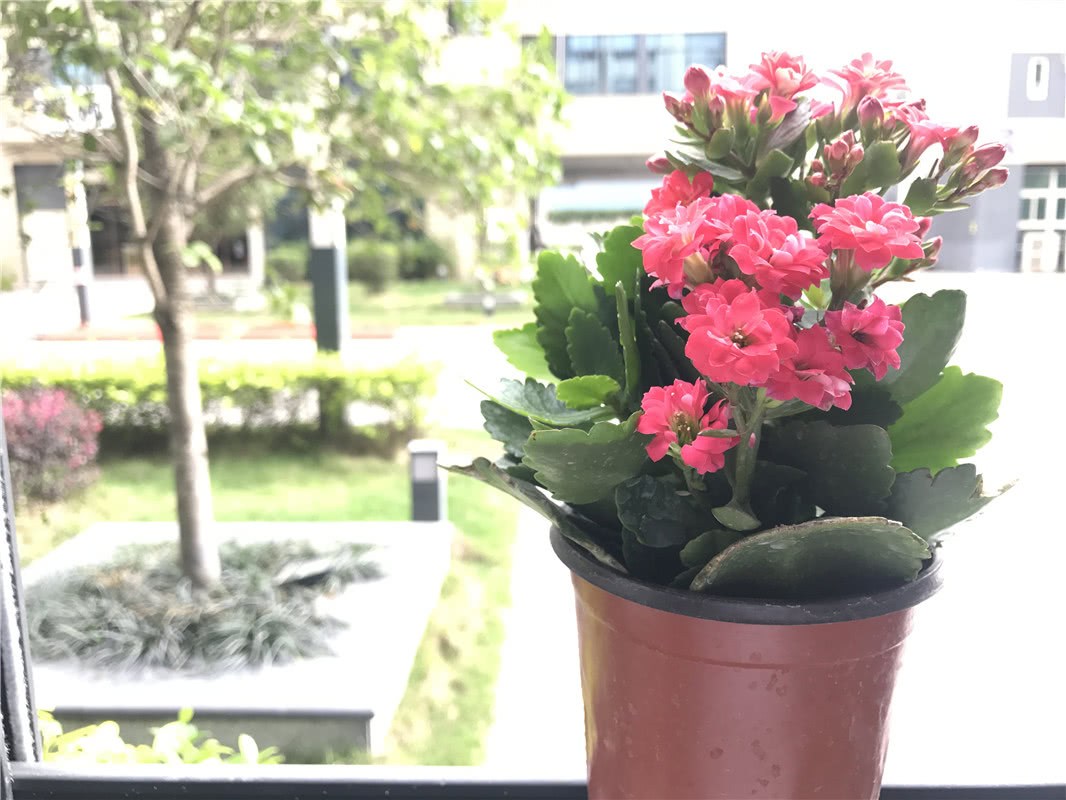
Autumn is here. How is your kalanchoe doing at home? Many plant owners' kalanchoes are already working hard to push out side shoots, and these side shoots are the "fresh troops" that will bloom later. So today, the little gardener will share two little methods to make kalanchoe burst with blooms. Both methods were shared by flower friends during exchanges, and you may not know them?
1. Feed kalanchoe with used oil; dig a hole and add fertilizer
The first method is to use used oil to feed kalanchoe, that is, to use used oil as fertilizer for kalanchoe. The little gardener really had never heard of this trick; I had only heard that using used oil to grow clivia works very well. Using used oil to grow kalanchoe is truly the first time I have heard of it. So how do you use it? Just dig a small opening at the edge of the flowerpot, and when it is about to bloom, fill the small opening with a little used oil. This used oil is a "slow-release fertilizer." The flower friend said that after trying it himself, the effect was very good.
2. Used oil carries risks; beginners should use it cautiously
To be honest, the little gardener really does not dare to use it this way, because I am afraid used oil will attract insects, and it will stink. Improper use may also burn the roots of the kalanchoe. So for beginner owners, the little gardener does not recommend trying it. If you want to supplement fertilizer, then use a green and safe plant organic nutrient solution, and use it as required. Only in this way can you supplement fertilizer more safely and ensure the blooming effect.
3. Burying base fertilizer to grow flowers is also a good method
However, while talking with flower friends, the little gardener learned another new method for growing kalanchoe, and we can learn from this method. We have all heard of burying base fertilizer when potting up. This plant owner said that when potting up kalanchoe, he buries some "sheep droppings," that is, sheep manure, at the bottom of the pot. The little gardener thinks this thing is very practical. If you cannot find sheep manure fertilizer, you can try chicken manure fertilizer as the base fertilizer, and that also works.
In fact, using chicken manure fertilizer as base fertilizer at the bottom of the pot has one advantage: its fertilizer effect lasts a relatively long time. Even if you forget to fertilize during normal care, it can hold things up for a while. The little gardener thinks that in the early stage of kalanchoe care, to prevent burning the roots of small seedlings, we can use slow-release fertilizer, or we can use a special organic nutrient solution for strengthening seedlings. But before the flowering period, we must promptly switch to an organic fertilizer for promoting and preserving flowers as a top dressing, and only then will it bloom in a full burst.
4. Fertilizing alone is not enough; bursting with blooms depends on side shoots
Of course, the methods shared by plant owners are actually all related to fertilizing. If kalanchoe is to burst with blooms, fertilizing alone is not enough. We also need to learn to pinch the tops. Pinching the tops promotes side shoots. When there are more side shoots, then fertilize promptly. If the side shoots are grown strong, then a full burst of blooms when the kalanchoe flowers is guaranteed.
For those who like kalanchoe, you can refer to these two care tips mentioned by the little gardener. These are also experiences summarized by other owners during care. By standing on the shoulders of predecessors to grow kalanchoe, we can get twice the result with half the effort.