What are the ways to water succulents? Watering and misting should be used sensibly
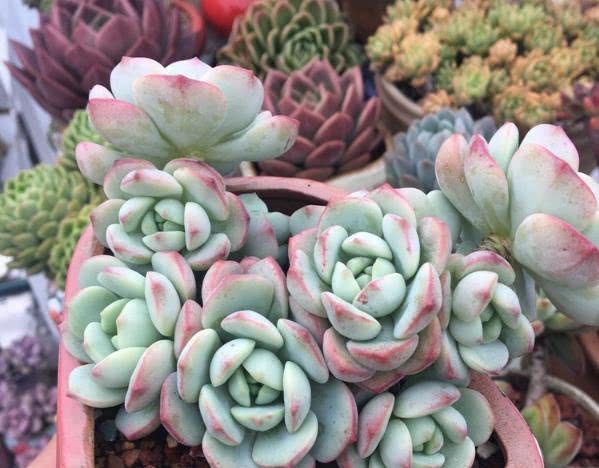
Watering succulents is the trickiest part. In the beginning you can use a fixed schedule with fixed amounts: water once every 5-7 days in spring and autumn, once every 15-20 days in summer, and once every 20-30 days in winter. Later on, based on your own understanding of the plants, you can gradually change your watering method. You can tell whether watering is needed by observing the state of the plant; for example, leaves becoming soft and developing wrinkles are both signs of water shortage, and at this point you can water a small amount to replenish the plant. Pay special attention to avoiding direct sun exposure after watering in summer, as that can easily smother the plants to death.
To master watering techniques for succulents, you must first understand the dormancy habits of each species. Watering during the dormant period easily causes the plant to rot. For example, if you water Lithops (living stones) during their summer dormancy, the plant will rot immediately; for cactus species that are dormant in winter, watering in winter will cause root rot or make them prone to freezing. Although they may not rot in winter, they will rot as soon as spring arrives. Second, carefully observe the growth of each plant. Some people assume a plant is short of water as soon as they see some leaves turn red or leaf tips and old leaves dry up.
Being familiar with a plant's growth situation is very helpful for mastering watering techniques. Generally, plants that are growing especially vigorously and plants that are flowering or in the bud stage have higher water requirements, and watering for them should be done as timely as possible; whereas some older large globular plants whose growth has basically stalled should be watered less often.
Air circulation is very important for succulents. Alpine succulents, for instance, will be in a sub-healthy state if kept in a closed environment for a long time, and in serious cases they will even die. Opening a window allows air to circulate, or you can use a small fan during the stuffy hot summer; of course, if conditions allow, you can plant them directly outdoors.
Most succulents like sandy soil. After buying one and bringing it home, the first thing to do is check the soil. If it is yellow mud or soil with especially strong black humus content, be sure to replace it right away. A conventional soil mix method: 1 part loose soil (peat soil, coconut coir), 1 part sand (coarse sand), 1:1.
This is a gathering place for succulent enthusiasts, sharing succulent care tips. You are welcome to follow and join the discussion.