This rare wild vegetable is more nutritious than milk, a great choice for lowering blood pressure, and it looks good growing too
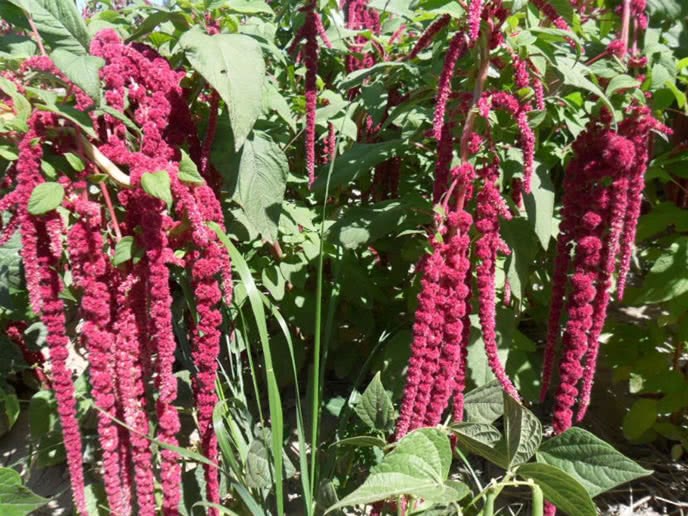
This plant goes by different names in the countryside; we call it Tianxianmi. To be honest, I am not afraid of being laughed at - in the past, Tianxianmi was mainly used as feed. There were not only wild ones but also homegrown ones, planted in whole patches, everywhere.
This plant called Tianxianmi is actually known by its scientific name as Amaranthus hypochondriacus (Prince's feather). It is extremely nutritious and suitable for all people. Amaranthus hypochondriacus is high in protein, fat, carbohydrates and minerals; in particular, its protein content is 16%-18%, even higher than that of milk and soybeans. It can also help prevent arteriosclerosis, making it a health vegetable favored by older people, and an excellent choice for lowering blood sugar, blood lipids and blood pressure in the elderly.
Now, as a wild vegetable, Amaranthus hypochondriacus is mainly eaten for its leaves. Simply blanch the leaves in hot water and serve them as a cold salad, while its seeds can also be eaten as grain. You can see that Amaranthus hypochondriacus has green leaves, and its leaves are very beautiful, while its purple-red inflorescences are even more beautiful.
Amaranthus hypochondriacus is now planted for landscaping. There are two types, green-stemmed and red-stemmed, and they can be cultivated and planted in parks, courtyards and the like, looking especially beautiful in large patches.
Amaranthus hypochondriacus is generally sown in spring, and sowing after harvesting the seeds in summer also works. It has strong adaptability and can be planted all over our country, and it grows rapidly with lush branches and leaves. Its root system is well developed and it has strong drought tolerance. Artificial cultivation requires little investment and brings good returns, making it an economic crop that cannot be planted in large quantities.