Don't Throw Away Melon Rinds and Vegetable Leaves: They're Useful for Washing Dishes, Growing Flowers, and Cleaning Drains
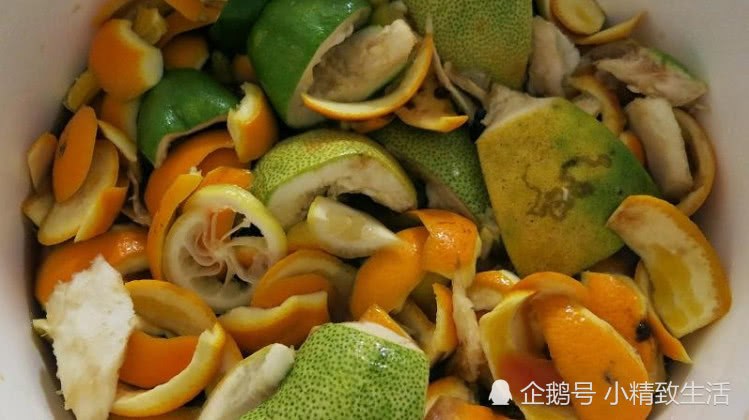
Every household throws away a lot of domestic waste every day, and among it, fruit and vegetable peels and discarded vegetable leaves make up a large part. In our eyes these things are useless garbage, and we naturally just toss them out without a second thought. But did you know? Fruit and vegetable peels and discarded vegetable leaves can be processed into eco-friendly enzyme, and eco-friendly enzyme has a very wide range of uses, and can even be used in every aspect of life. Below, Xiao Jingzhi will take a look with you at the magical uses eco-friendly enzyme has in the home, and how to make your own eco-friendly enzyme from discarded melon rinds and vegetable leaves.
I. The Effects of Eco-Friendly Enzyme
Since it is homemade eco-friendly enzyme, the conditions are limited, and it is hard to guarantee it won't pick up some unknown bacteria. For the sake of safety, we will not cover effects such as skin and beauty care, treating internal and external injuries, cooking, or even washing dishes and other edible or medicinal uses, and we also won't cover those rather far-fetched effects like resisting radiation. Below we will mainly talk about the effects of homemade eco-friendly enzyme in home life and other areas.
1. When mopping the floor, add 2 tablespoons of eco-friendly enzyme to the water. It can effectively remove floor stains and also has an added disinfecting effect.
2. Put the enzyme residue into a mineral water bottle, then use a needle to poke the mineral water bottle full of small holes, and place it in the toilet tank to flush the toilet. Over time, it will remove the toilet's limescale, with an effect comparable to toilet cleaner, and as this water flows out through the drain, it will also have a very good effect on environmental protection.
3. Regarding washing vegetables and dishes, we also won't cover it here for safety reasons, but pouring enzyme into the sink from the dishwashing area can clean the grime in the drain.
4. When washing clothes, add four or five bottle caps of eco-friendly enzyme. It can not only effectively break down some of the chemical components in laundry detergent or washing powder, but also remove stains from the washing machine.
5. Add one bottle cap of enzyme to 1.5 liters of water, and it can be used to water flowers. Especially in the north, it can effectively improve the alkalinization of the soil caused by watering flowers with tap water.
6. The residue of the enzyme can also be dried in the sun and then mixed into the potting soil of household flowers as fertilizer. Xiao Jingzhi will explain the use of eco-friendly enzyme as fertilizer separately later.
II. How to Make Eco-Friendly Enzyme
Now that we've talked about the effects of eco-friendly enzyme, how do you make eco-friendly enzyme? It's actually very simple. To make full use of waste, you can use leftover melon and fruit peels, picked-off vegetable leaves, and expired brown sugar or white sugar to make it.
1. Wash out the empty oil drums left over at home, or use plastic containers such as mineral water bottles, and fill them with 60% tap water. Note that you should use plastic containers, and do not fill them full. 60% is just right.
2. Add 10% expired brown sugar or white sugar.
3. Add 30% washed melon and fruit peels or vegetable leaves. At this point, the volume of the mixture in the container takes up about 80% of the container.
4. Seal the container and place it in a cool, shaded spot at about 15°C, avoiding direct sunlight. During the first month of fermentation, gas will be produced, so try to open the bottle mouth every day to release some gas and then reseal it.
5. After about one month, it will basically no longer produce gas (shown by the plastic bottle no longer bulging). Continue to leave it in a cool, shaded spot, and often stir the garbage that floats up so it sinks down and is fully soaked. After about 3 months, the eco-friendly enzyme is ready, and its color is yellowish-brown.
6. After filtering the enzyme stock solution, it is ready to use. At the same time, you can continue to add melon rinds and vegetable leaves to make new eco-friendly enzyme.
Making eco-friendly enzyme reduces domestic waste, protects the environment, and can also be used in every aspect of home life. It achieves many benefits at once, and it is simple to make, so hurry up and make it!
Compiled and published by Xiao Jingzhi Life, we hope it is helpful to you!