Prune and fertilize miniature roses like this after blooming, and they will explode with blooms 12 months a year
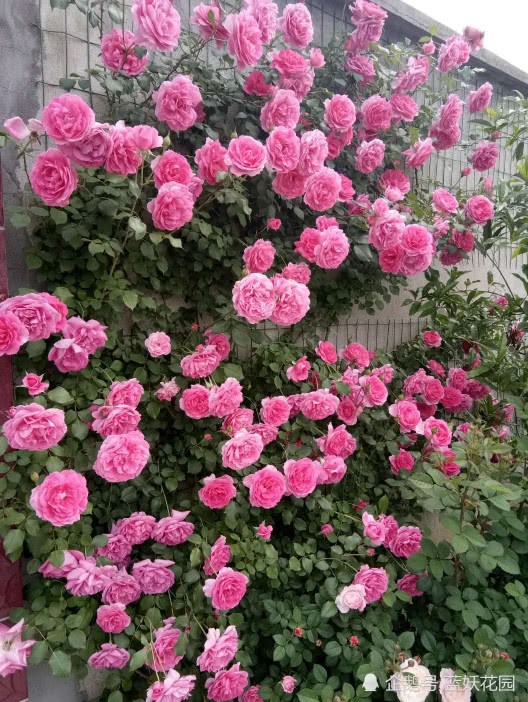
0004, Miniature roses: prune and fertilize like this after blooming, and they will explode with blooms 12 months a year!
As long as the temperature is suitable, roses can bloom every month; everyone knows this. Ordinary roses can indeed be made to bloom every month, but wanting every month's flowers to bloom as abundantly as in spring is truly difficult.
Roses generally bloom sporadically in summer and go dormant in cold winter regions. However, there is one kind of rose that can bloom all year round, and bloom very profusely, as long as we manage it well.
That is the miniature rose.
What is a miniature rose
Miniature rose is what we commonly call "wei yue." Many people don't know what it is. Wei yue is a category within the rose family; this type of rose has a short, compact plant shape and excellent blooming ability.
The flowers are also relatively small. Those with flower diameters above 6cm are generally called large-flowered miniature roses, meaning the flowers are relatively large and the plant is relatively small.
Lanyao said that the miniature rose is a type of rose, so in terms of management it should follow rose management methods. Therefore, miniature roses also need frequent pruning.
Pruning miniature roses after blooming
Miniature roses need timely pruning after blooming to promote the timely production of new branches and bloom again.
The pruning method for miniature roses differs from that for shrub roses. Shrub roses are generally cut back quite heavily after blooming, but because miniature roses have relatively short branches, the cut-back extent must not be too large when pruning.
When pruning miniature roses, note the following:
Healthy medium branches can be moderately pruned, weak branches heavily pruned, and strong sucker shoots have their tips pinched off.
For example, the large-flowered miniature rose Canary tends to grow strong suckers in spring. If left alone to grow, they will eventually destroy the balance of the whole plant, so the terminal buds should be pinched off promptly to encourage branching and inhibit excessively fast growth.
For medium healthy branches, prune moderately, keeping 3-4 bud points; for thin, weak branches, prune heavily, keeping only 1-2 bud points.
Overly thin branches produce small flowers or even no flowers at all. If not heavily pruned, they are mostly useless branches that also affect the ventilation of the whole plant.
The above is the pruning method for miniature roses in spring. By summer, miniature rose branches often grow very short before blooming again, and the post-bloom pruning method differs again.
Pruning miniature roses after blooming in summer
In summer, the first and most important pruning task for miniature roses is removing spent flowers. Spent flowers must be pruned promptly to avoid excessive damage and to reduce the difficulty of getting roses through the summer.
In summer, only light pruning is done after miniature roses bloom. First, because the branches themselves grow relatively short; second, because roses are prone to black spot disease and leaf drop in summer, so as many leaves as possible should be retained in case the disease strikes and all leaves fall off. Having no leaves is quite fatal for roses.
So for post-bloom pruning in summer, simply cut just below the spent flower with one five-leaflet leaf retained.
By autumn, miniature roses need restorative pruning to keep a neat plant shape.
Pruning miniature roses in autumn
Generally, after a summer of intense heat, the miniature rose branches grown in spring are already relatively old and are not suitable for pruning in autumn, so we only do light pruning on miniature roses, cutting back the branches grown in summer.
Because if pruned too heavily, old branches sprout slowly and will not sprout for a long time, meaning it will take a very long time to bloom, or even miss the autumn blooming season.
No matter when you prune, it is all to help the rose grow and bloom better in the next season. So after pruning, fertilizer must be applied promptly.
Timely fertilization after blooming can help the rose plant recover its strength and store nutrients for the next round of flowers.
Regarding miniature rose pruning, if you have any better suggestions, you can leave a message for Lanyao below, and we can learn and improve together!
(The text of this article is original by Lanyao; the images are all from the internet. If there is any infringement, please contact me to delete them.)
To see more knowledge about growing flowers and vegetables, please follow Lanyao's WeChat public account: Lanyao Garden (ilanyao)