Do these 4 things when caring for snake plants in autumn, and new shoots will burst through the soil and grow like crazy
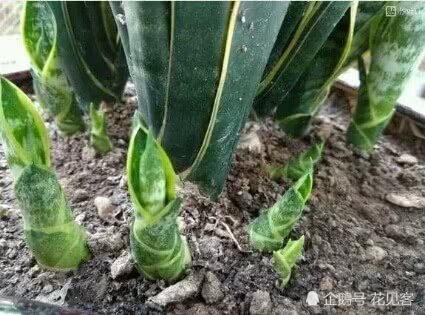
The snake plant (Sansevieria trifasciata) is a green plant loved by many flower enthusiasts. Its leaves grow in upright clusters, are thick and leathery, and both sides of the leaves have irregular dark green cloud-like horizontal stripes, closely resembling a tiger's tail. It has very high ornamental value, and can purify the air, absorbing harmful gases such as formaldehyde and benzene from the air.
With the arrival of autumn, the weather gradually turns cool, and the snake plant resumes growth. During care, these 4 points require attention, and new shoots will come bursting out of the soil, growing straight up like crazy!
Point one: Loosen the soil in the pot
In autumn, the Christmas cactus (Schlumbergera) will sprout many new shoots. If the potting soil is too hard, it is not conducive to the sprouting of new shoots, or it will simply grow poorly, reducing its ornamental appeal, but at this time repotting with new soil is not suitable either, so you need to loosen the soil manually.
First water thoroughly, and after it is 5 parts dry, use a small shovel to loosen the soil along the edge of the flower pot, to a depth of 3-5cm. Near the roots, pay attention to the force used, and do not damage the tuberous roots.
Point two: Control the water
The snake plant is a desert plant, so watering must be well controlled. After the beginning of autumn the weather turns cool, and watering a bit more can promote faster growth of the snake plant, but it must not be too wet, otherwise it very easily causes root rot. If it is too dry, although it will not die, the leaves will lose their luster and may even wither. Each time you water, wait until the potting soil shows signs of turning white and has slight cracks before doing so.
Point three: Sufficient light
The snake plant is a desert plant and relatively fond of light. Although it is also tolerant of shade, with long-term insufficient light the leaves will wilt and lose their luster. After the beginning of autumn, the intensity of sunlight is relatively mild, so you can let it receive more sunlight, helping it sprout and grow better.
Point four: Apply the right fertilizer and control the amount
The snake plant has low fertilizer requirements. Even during the peak growing period, it does not need too frequent fertilizing; generally applying fertilizer 2 times a month is enough. The best fertilizer to use is organic fertilizer or compound fertilizer. You can use homemade fully fermented rice water, fish intestine water, bone meal, etc. Do not apply too much nitrogen fertilizer, otherwise the leaves will very easily grow leggy, and the markings on the leaf surface will fade, reducing its ornamental appeal.
That is all for the care of the snake plant. If flower enthusiasts have other additions, you can share them with everyone in the comments section below. If you want to learn more about flower growing, you can follow Huajianke!