Complete Guide to Rose Cuttings: One Stem Will Bloom by Next Autumn
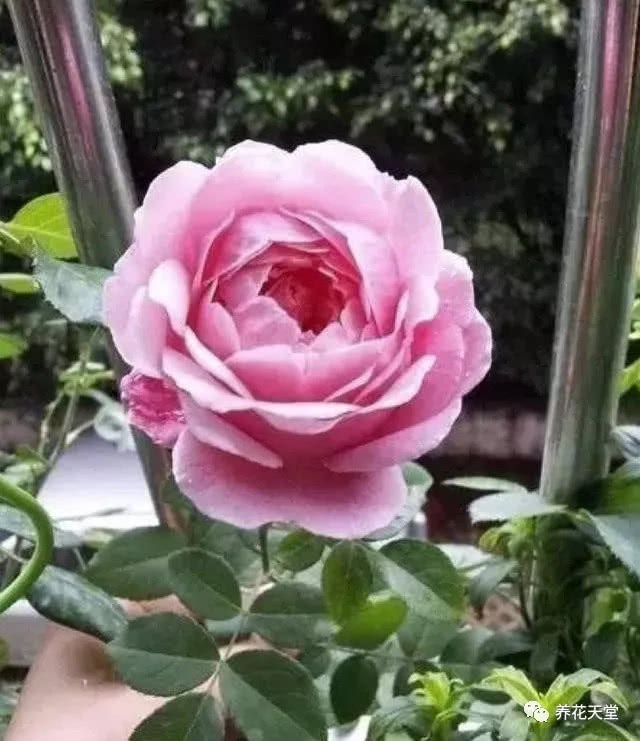
Recently, typhoons have been raging in southern China, and temperatures suddenly dropped to 8°C. Many garden plants have suffered greatly, and even some potted flowers kept at home have wilted, turned yellow, or even died due to the sudden low temperatures. But this is, after all, a natural disaster. Under normal circumstances, autumn temperatures are comfortable, neither cold nor hot, and very suitable for the growth of potted flowers, especially some flowering plants. Take roses (Rosa chinensis), for example. Many flower enthusiasts look forward to roses covering their branches with blooms in autumn, and some, taking advantage of the good autumn climate, quickly propagate roses by cuttings so they can see the new potted roses bloom next year. So how do you propagate roses by cuttings in autumn? Here is a step-by-step explanation for everyone.
Rose flowers are bright and eye-catching, very beautiful, and the cutting propagation method for roses is also very simple. Basically, friends with some flower-growing experience and common sense can do it. In choosing the cutting season for roses, summer is generally the most common, and late June is precisely the most suitable time for rose cuttings. In choosing the branches for rose cuttings, you can cut at the spot three leaves below the flower, and then make sure the cutting branch has at least one to two leaves.
Choose a healthy and relatively vigorous branch, as mentioned before, preferably a branch below the flower, as this can better improve the survival rate. Then, in choosing the substrate for rose cuttings, try to choose vermiculite, which has strong air permeability and is a soil material suitable for rose growth.
Before the branch has rooted, you can use a plastic bottle with holes at the bottom as a container, then insert the rose to be propagated into the container filled with vermiculite, and water it thoroughly.
You also need to place a tray with water under the cup to provide moisture and a humid environment for the rose cutting.
Place the cuttings in a warm environment with sunlight. During this period, pay close attention to changes in the water in the tray and add water promptly.
Before long, the cuttings will grow roots, and at this point you can repot the plant.
When repotting the plant, you can first soak the cup in water, then let the vermiculite disperse, which makes repotting easier and prevents damage to the plant's fine roots. If, when repotting, you see that the roots are not very thick and strong, then you can still move it back into the cup and let the plant continue growing, and carry out the repotting operation after white roots appear.
After repotting, the plant still needs to be watered thoroughly and placed in a ventilated and shaded environment. After the plant adapts for a period of time, it can be moved to a bright environment for care.
The above is the complete process of rose cutting propagation, teaching you step by step. With just one branch, it will bloom by next autumn. It is not too late to learn now; September is a good time for cutting propagation.