After the temperature drops, Clivia loves "energy water," sprouting 3 pairs of leaves with flower scapes covered in buds
As people's living standards improve and rise, more and more people like to keep some flowers and plants at home, placing them indoors, which not only purifies the air but also decorates the room, making the home look fresh and natural, especially when keeping some flowering plants at home, which makes it look even more festive and warm.
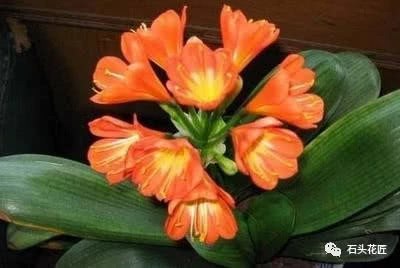
Clivia (Clivia miniata) is a very popular household flower, and many homes will place 1-2 pots of Clivia. Clivia's leaves grow beautifully, and the plant is even more beautiful when it blooms. Generally, Clivia goes dormant during the hot summer weather, and only gradually wakes up after autumn arrives, entering the growth period to absorb nutrients, and blooms in winter.
As autumn arrives, the weather turns cool and the temperature drops, so Clivia needs to be given some energy supplements to make the plant grow robustly and promote flower bud development, so that it can bloom beautiful flowers in winter. Today I'll share with you a little trick for fertilizing Clivia in autumn, so today's topic is:
When the temperature drops, Clivia loves "energy water," drink a little and it sprouts 3 pairs of leaves, with flower scapes covered in buds
After autumn arrives, the weather gradually turns cool, and Clivia enters a rapid growth period, so the plant needs to be given rich nutrients. In autumn, Clivia mainly grows leaves and roots, so it needs to be given plenty of nitrogen fertilizer.
1. Energy water: watering Clivia with scorched soybean water
After boiling the soybeans at home, put them into a plastic bottle, then cut orange peel into small pieces and put them in the bottle, add clean water, screw on the lid, and place it in a cool place to ferment for about two weeks. When you see foam forming in the bottle, it means the fertilizer has fermented fully. Dilute the fermented fertilizer with water at a 1:10 ratio, then pour it directly into the Clivia pot. Water the pot once every two weeks. This can provide rich nutrients for Clivia's growth. Because orange peel is added to the fertilizer, it not only absorbs the odors produced during the fermentation of the soybean fertilizer, but the fermented water is also acidic, which can improve the soil where Clivia grows.
2. Energy water: watering Clivia with oil residue water
The rapeseed oil, soybean oil, and sunflower oil we eat in daily life all produce a kind of residue during the pressing process. This oil residue is rich in elements such as nitrogen, phosphorus, potassium, and calcium. After full fermentation, it is a very good fertilizer for growing flowers. So find some oil residue, crush it, put it into a plastic bottle, add clean water, and place it outdoors in a cool place. It will ferment fully in two weeks. Then dilute it with clean water at a 1:10 ratio and pour it directly into the Clivia pot, which can supplement rich nutrients.
Both of these fermented water fertilizers can promote the growth of Clivia. You can ferment them according to your own conditions and needs to supplement fertilizer for Clivia. Fertilizing Clivia in autumn is very important. Only by making Clivia grow robustly in autumn and absorb sufficient nutrients can it bloom normally.
Regarding little tricks for growing Clivia, if you find them useful, please like, follow, and forward to more friends below!
I am [Stone Gardener], and I share little knowledge about growing flowers every day. Remember to follow me.