Clivia leaves look dull? Apply a little of this when the weather turns cool and they'll turn oil-green and glossy; neighbors all follow suit
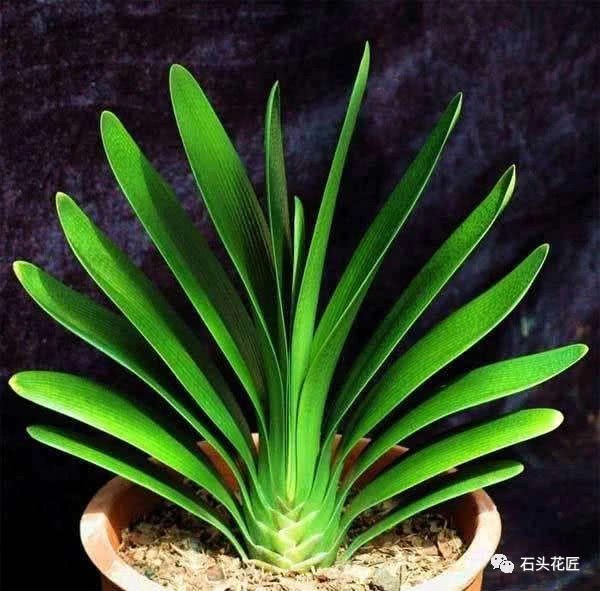
As autumn arrives, the temperature gradually drops, especially with the recent continuous autumn rain and the sudden plunge in temperature. Many flowers have not yet adapted from the high-temperature environment to the low-temperature one, just like the common Clivia at home, which generally enters a brief dormancy in the hot summer weather and only gradually wakes up in autumn. But the recent abnormal temperature changes have left the plants unable to adapt to the environment.
Recently many flower enthusiasts have left messages in the background, saying that their Clivia at home have dull, lusterless leaves. They feel the growth condition is extremely poor. In fact, this situation mainly occurs because the Clivia has not yet fully woken up from its dormant state, so you need to improve the growing environment to let the Clivia quickly enter its growth period.
Because every year after the Clivia's flowering period ends, it is basically summer, and coupled with the high-temperature weather, it enters a brief dormancy. But after autumn arrives, you need to let the Clivia wake up quickly, and by fertilizing, watering and improving the growing environment, speed up the plant's growth, so that the Clivia can bloom beautiful flowers again in winter.
In autumn you can put the dormant Clivia on a balcony in a spot with scattered light. If conditions allow, you can also directly place the Clivia outdoors for open-air growing; you just need to provide proper shade when the sunlight is strong at noon. Increasing light intensity and increasing ventilation can both speed up the Clivia's awakening and entry into the growth period.
After placing it outdoors for care for one week, then fertilize and water the Clivia. When watering, follow "water when dry, keep it moist" each time, water thoroughly at once, and just keep the soil slightly moist. For fertilizer, you can choose a quick-acting compound fertilizer or your own fermented organic fertilizer, but be sure to apply thin fertilizer frequently.
Clivia leaves look dull? Apply a little of "it" and the leaves can turn oil-green and glossy
The dull leaves of Clivia are mainly because during the summer dormant period, the root system absorbs few nutrients, so the leaves lack nutrition. Therefore, in autumn you need to quickly let the Clivia wake up and enter the growth period.
Of course, to quickly increase the plant's ornamental value, you can use a diluted beer-water solution to wipe the Clivia leaves, which can effectively supplement fertilizer and make the Clivia leaves become oil-green and glossy within two weeks. Because beer is rich in potassium, calcium and nitrogen. So after diluting beer with water at 1:1, directly use a cotton swab or towel dipped in the diluted beer solution to wipe the Clivia leaves. This can not only wipe dust off the leaves, but also supplement foliar fertilizer for the Clivia. In addition, by providing the plant with sufficient ventilation and light during later care, you can speed up leaf photosynthesis and promote chlorophyll formation, which will make the Clivia leaves become oil-green and glossy. Generally, wipe the Clivia once a week, and note that when wiping you must use gentle pressure to prevent scratching the leaves.
Before winter arrives, spray the plant leaves once a week with a phosphorus-potassium fertilizer, which can promote flower bud development. When winter comes, the Clivia can bloom beautiful flowers.
Regarding this little trick for dealing with dull Clivia leaves, if you find it useful, please like it below, follow, and forward it to more friends.
I am [Stone Gardener], and I share little flower-growing tips every day. Remember to follow me!