Bury a little of this in the pots of kalanchoe and Christmas cactus, and lush foliage and a pot bursting with blooms are just that simple
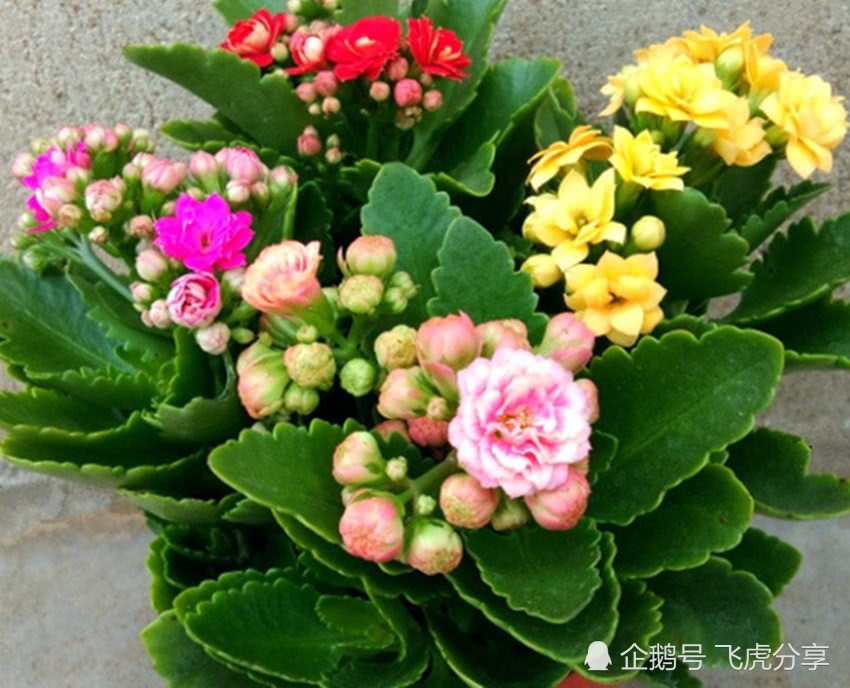
Kalanchoe and Christmas cactus both bloom from winter to spring. If you want them to produce lots of large flowers and thick, deep green leaves when they bloom, start burying a little of this in the pot now, and when they flower they will surely give you a big surprise.
The thing introduced to you today is a natural organic seabird phosphate fertilizer. It comes from seabird remains, droppings, fish, shrimp, shellfish and other marine organisms in nature... formed through years of erosion and accumulation. It contains very high levels of phosphorus, calcium and organic matter. Not only is it odorless and pollution-free, it can also effectively improve adverse conditions such as soil acidification and hardening. It is suitable for garden plants, orchids, etc., and has a remarkable effect on poor root development and incomplete root systems, sparse flowering or failure to bloom.
When using it, for a pot 4-5 cun in diameter, use 1 tablespoon (about 30 grams) for woody plants, and 1 teaspoon (about 10 grams) when fertilizing herbaceous plants or orchids; for a 6-8 cun pot, use 2 tablespoons (about 60 grams) for woody plants, and 3 teaspoons (about 30 grams) when fertilizing herbaceous plants or orchids; for a 1 chi pot, use 4 tablespoons (about 120 grams) for woody plants, and 2 tablespoons (about 60 grams) when fertilizing herbaceous plants or orchids. When applying, dig a trench along the edge of the pot and work it in, and do not let it touch the roots.
When caring for kalanchoe and Christmas cactus, besides giving them sufficient and suitable nutrients, foliar spraying is also indispensable. The benefit of foliar spraying is that it can increase environmental humidity, make the leaves deep green and glossy, and make them thick and broad after fertilizing. If you add a few drops of water-soluble foliar fertilizer to the water when spraying, the leaves will be even more emerald green and more vigorous. The above fertilizers and methods have all been used by the author personally. Seabird phosphate fertilizer is sold at flower markets or online, and it is very cheap, about ten yuan per kilogram, and its effect is really quite good. Whether it works or not, you will know once you try it. If you cannot buy it, you can also apply bone meal plus an appropriate amount of compound fertilizer, and the effect is also good. But the amount of compound fertilizer must be small, and it is not advisable to be greedy for more, so as to avoid burning the roots.