These 4 kinds of flowers must be repotted in autumn; if the roots grow like this, they won't survive the winter
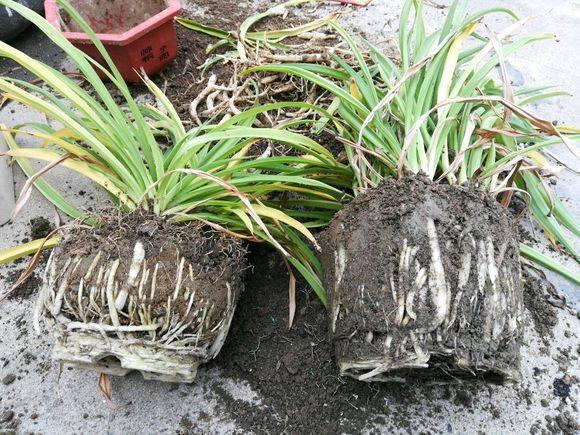
For many flower growers, besides paying attention to watering, fertilizing and light, you should also note the importance of repotting. Why is that? Because growing flowers starts with growing roots. When the roots are fine, the potted flowers will grow vigorously. Repotting is generally done for two reasons: one is that the flower's roots have rotted and it must be repotted in time; the other is that the flower's roots have grown so vigorously that they have completely eaten up all the soil in the pot, leaving not a bit of soil inside. This situation is the easiest to overlook - you might think, isn't it better the more vigorous the roots grow? Actually, no. Roots growing too vigorously is not necessarily a good thing.
Growing flowers in autumn: remember to "repot" these 4 kinds of flowers; if the roots are too vigorous, they won't survive the winter
Autumn is a good time for growing flowers. There is neither hot high-temperature weather nor the cold of winter, so most plants and flowers are in their peak growing season at this time. With suitable climate and proper care, flowers can easily grow out of control. Especially the roots. The picture above shows a spider plant in a pot that has not been repotted for a long time. The spider plant's roots grow quite vigorously; generally, if not repotted for 6 months, they will end up like in the picture. When the spider plant's roots grow like this, densely packed, the space in the pot becomes very small. And the soil is gone too, so the roots cannot continue to absorb nutrients. Over time, the roots will shrivel, making it hard to survive the winter.
Clivia in pots also needs repotting in autumn
If Clivia is not repotted for half a year, its roots will also grow more and more vigorously. As a fleshy-rooted plant, once the nutrient soil and the external environment are suitable, it will start growing wildly. When growing Clivia, the roots must be taken seriously. After all, this flower is relatively complicated to grow and manage; if you are not careful, it will fail to bloom, or even bloom with the flower stalk stuck between the leaves. It is now autumn, which is also a good time for repotting and changing the soil. If the Clivia is a mature plant, then repotting is even more necessary. When repotting, pay attention to checking whether its roots are healthy. If you find old roots or rotten roots, remember to cut them off with scissors, soak them in potassium permanganate solution for a few minutes, disinfect them, and then transplant them into new potting soil.
Pothos in pots: timely repotting and soil changing benefits growth
Pothos is a fairly common plant. Everyone knows it has strong adaptability - even a single vine thrown into water can survive, which fully shows the strong vitality of its "roots." Because the roots grow vigorously, this requires us to repot and change the soil in time. You shouldn't let the pothos roots in the pot become tangled into a ball, because that is also bad for absorbing nutrients from the soil, and it is not breathable either. Over time, it will lead to root rot. For pothos, generally the potting soil should be changed every five or six months, so the leaves can stay green all year round.
Besides the 3 kinds of flowers mentioned above that need timely repotting when grown in autumn, "orchids" also need timely repotting. Because orchids, like Clivia, have fleshy roots and grow relatively fast, so regular repotting and checking the roots are very important. Moreover, the nutrients in orchid growing medium are generally mostly absorbed after five or six months, which is exactly the time to change to fresh medium.
That's all for sharing knowledge about repotting flowers in autumn. Thank you for reading!
Remember to like and share~