How to grow Haworthia reinwardtii? These four care tips are all essential
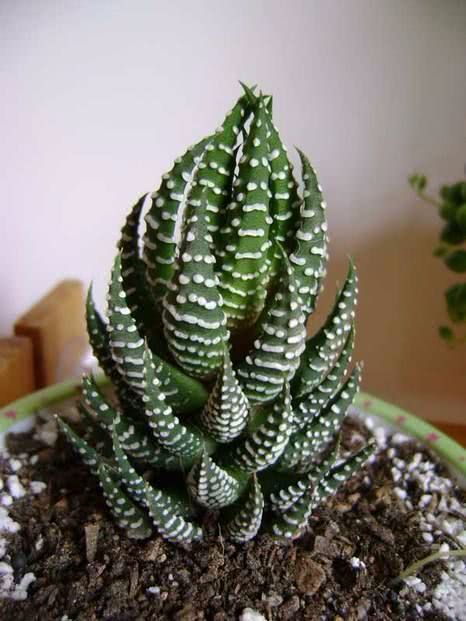
Have you heard of Haworthia reinwardtii? Just from the name you can guess its shape, it should be "eagle claws", long and narrow, sharp and pointed, exactly like an eagle's claws! It has the appearance of an ordinary Haworthia, so is there any difference in care? Let's take a look together!
1. Soil requirements
First, choose a flower pot with small holes in the bottom, toss in a few pieces of expanded clay pellets for drainage and airflow, which also prevents soil from leaking out. The soil mix that Yatou recommends consists of leaf mold, coarse sand, and garden soil. Mix these three materials in a ratio of 1:1:3. At the bottom of the pot, you can bury a little compound fertilizer, pour in some soil and stir it. Then pour in the prepared nutrient soil and plant the Haworthia reinwardtii, and that's it!
2. Water requirements
During the growing period, the principle for watering is to water when dry and let dry between waterings; especially right after planting, do not water too much, to avoid the roots being stressed and rotting.
During winter and summer, Haworthia reinwardtii goes into a brief dormancy (no visible change on the outside). At this time, be sure to control water and keep the soil dry. Or, simply switch from watering to misting, spraying more water into the surrounding environment to increase air humidity and achieve the goal of keeping the leaves moist.
3. Temperature control
Although household temperature is not easy to control (except in winter and summer when you can use air conditioning), you need to always pay attention to the growth of Haworthia reinwardtii. Its most suitable growing temperature is 16-20°C, which is right now! Cool it down in summer, keep it warm in winter, and if you have underfloor heating at home, try not to let it bake directly on the floor.
4. Proper fertilization
Haworthia reinwardtii is very tolerant of poor soil, so its fertilizer requirements are not very high. Yatou generally applies base fertilizer when repotting, and basically does not use anything else! Of course, in autumn, watering with fertilizer water once every 2 months will make it grow more vigorously.