A simple action in autumn can make your plants healthier
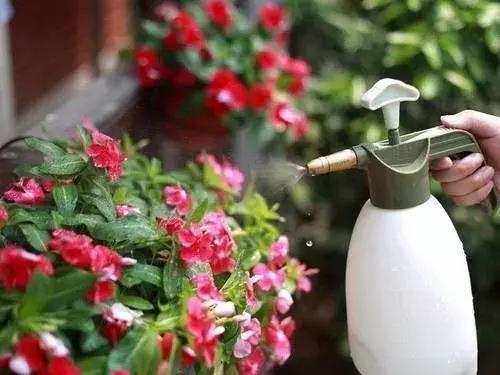
Many flower lovers know that watering plants correctly not only cleans the leaves but also promotes healthy growth. However, most beginners do not know that improper watering can also easily cause plant problems.
Benefits of watering when growing flowers
1.Watering the leaf surface can wash away dust from the leaves, help plants carry out photosynthesis better, and promote health.
2.It can remove stains from fertilizing to prevent the leaf surface from being scorched.
3.It keeps the leaves emerald green and increases ornamental value.
4.For newly potted or cuttings of flowers and plants, watering can retain moisture, prevent the leaves from wilting, and promote the growth of new buds.
5.For plants that like a humid environment, watering to retain moisture is also an important way to improve the care environment.
Most foliage plants often have dust on their leaves, and over time this affects growth. Watering not only promotes plant growth but also makes them more beautiful and clean. These plants include: spider plant, pothos, lucky bamboo, Aspidistra elatior, and so on.
Some plants have fuzzy hairs on the leaf surface, and watering can easily cause the leaves to rot, so water less and ventilate to dry them as soon as possible after watering. These plants include: Cuban oregano, strawberry begonia, gloxinia, rex begonia, and so on.
For plants that have already bloomed, never water during the flowering period, otherwise the flowers will wilt, turn yellow, and fall off. For example, the following flowers: azalea, camellia, jasmine, gardenia, Aglaia odorata, and so on.
Some plants are not suitable for daily watering on the leaf surface. For example, the leaves of maidenhair fern are too small, and water easily remains on the leaf surface, causing the leaves to dry up.
Precautions for watering
1.When watering, avoid the leaf center. The leaf center is usually lower, and after water accumulates, it easily causes the heart and leaves to rot.
2.The time for watering the leaf surface is generally chosen according to temperature. During the day, water at the time period closest to the plant's optimal growth temperature. In summer, generally choose early morning and evening; in winter, choose the morning or early afternoon. Or in summer, raise the water temperature before watering.
3.After watering, avoid direct sun exposure, but be sure to ventilate. The worst thing is to water in a stuffy, hot environment with high temperatures and no ventilation.
4.For flowers and plants that are not suitable for watering but need more humidity, sprinkling water on the ground or misting are both good choices.