Growing orchids in September: autumn stuffiness is more deadly than summer heat, 3 key care points to master
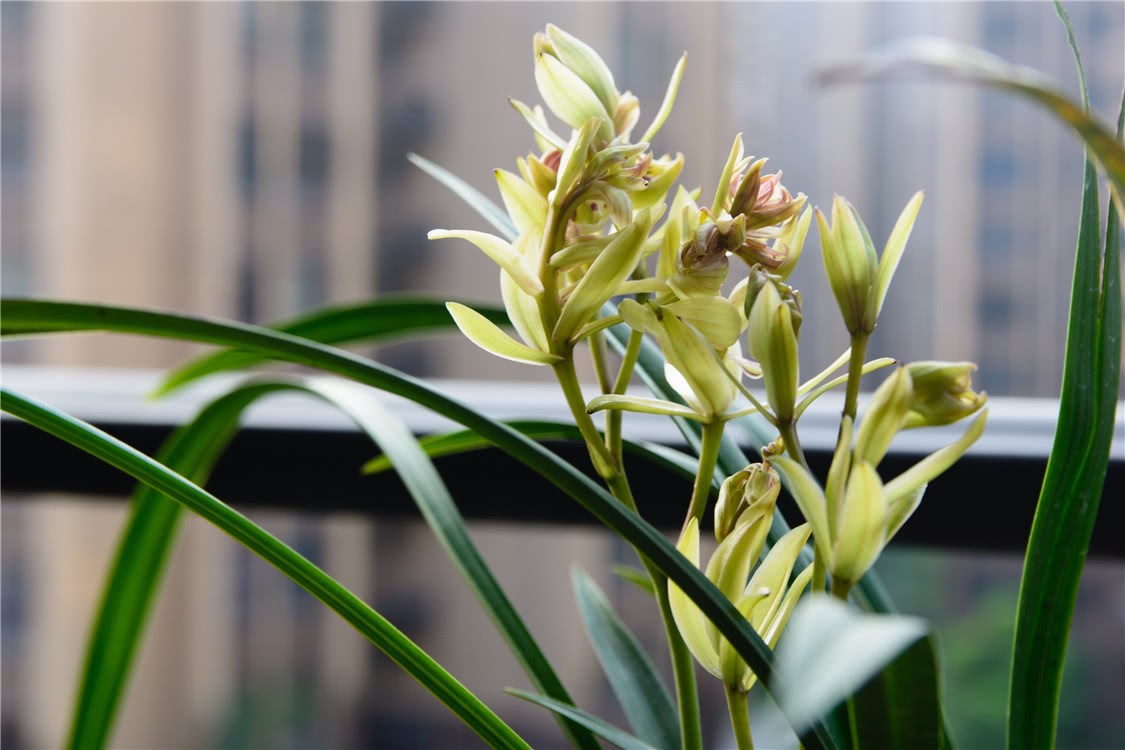
It's mid-September now, the typhoons in the south have already come and gone, and the temperature has cooled a little. When autumn arrived, many orchid owners breathed a sigh of relief, thinking that after their careful care in summer, their orchids had come through safely, and that autumn should be a bit easier too, right? Not so. This little gardener thinks that the "stuffiness" of autumn is sometimes more deadly than the "heat" of summer. Orchid owners, take a look too.
1. Keep it moist, but with a precondition
We learned a saying from veteran orchid growers: "do not let things dry out in autumn." In plain words, it means you should not let the potting soil dry out too much in autumn. Keeping it moist is one of the basic requirements for healthy orchid growth, so in autumn, many orchid owners do the work of keeping things moist. But they all make the same mistake: while keeping moisture, they fail to ensure good ventilation.
Flower owners who follow this little gardener can learn a saying from me: "Ventilation cannot cure all diseases, but no ventilation really can kill." If orchids are kept moist without good ventilation, they are very prone to stem rot and soft rot. So not only should you open the windows for ventilation often, you must also absolutely avoid blowing strong wind directly on them right after heavy watering. This is one of the secrets too.
2. Choose the right fertilizer to promote flowering
This is also a critical period for flower buds to form. Quite a few orchid owners say that they actively applied fertilizer before the flowering season, yet no flower buds appeared, and instead two orchid plants rotted. Truly "losing the lady and losing the soldiers too." What happened? In this little gardener's view, fertilizing must not be careless. Besides ensuring the orchid plants are robust and the environment is well ventilated, you also need to pay attention to one problem.
This problem is the choice of fertilizer. When choosing fertilizer for orchids, we had best choose organic fertilizer fermented from plants. First, its nutrients are sufficient; second, its organic matter content is high. You should not underestimate this thing. The reason orchids grow well in their place of origin is entirely thanks to this. So, this little gardener suggests using organic nutrient solution fermented from plants when fertilizing, avoiding concentrated fertilizer and prohibiting chemical fertilizer.
3. Prevent rot disease, use rot-treatment fungicide
After autumn begins, orchids are prone to rot disease during this period. In fact, it is also related to the climate. Since orchid owners cannot change the climate, we can do a good job of prevention. The prevention work for rot disease is very simple, namely rot prevention. How to prevent rot? Use fungicides such as carbendazim and spray 1-2 times, and that is enough. Use it according to safety requirements, but do not use it too much, otherwise using too much will affect the growth of beneficial bacteria in orchids. This point must also be strictly avoided.
When growing orchids in early autumn, owners must pay attention to these points. Sometimes, although summer "heat" is frightening, autumn "stuffiness" is more deadly. We must do a good job of preventive care.