Five Super Cold-Hardy Potted Flowers to Keep Winter from Being Lonely
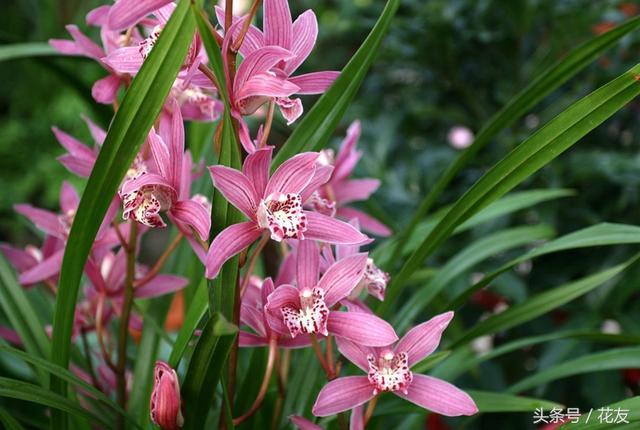
I. Fragrant Cymbidium
Blooms from March to May, tolerates lows of -4°C
The Fragrant Cymbidium plant is upright, with flower stems that stand erect or droop, and large, brightly colored blooms, mainly used for potted display. Suitable for placing on indoor flower stands, balconies, and windowsills, it looks even more elegant and luxurious, with high taste and charm.
1. Habits
When growing Fragrant Cymbidium, one should follow the principles of "repot rarely, plant fairly deep, give plenty of sun, and keep well ventilated." In addition, it likes to grow in clumps and dislikes being divided into single plants.
2. Water and Fertilizer
Protecting the roots is the top priority for growing Fragrant Cymbidium well. Fragrant Cymbidium likes an environment where the roots stay moist but not waterlogged, ensuring "not dry in autumn, not wet in winter." Normally, mist water around it frequently to maintain humidity.
Fragrant Cymbidium: Identification and Introduction of Common Orchid Species (Flower Lovers' Orchid Guide)
3. Key Care Points
① Autumn is an important time for caring for large-flowered cymbidium; at this time it needs plenty of sunlight, which helps the formation and differentiation of flower buds;
② Although Fragrant Cymbidium is cold-hardy, when temperatures are low you still need to take warming measures, especially for the roots. You can make a sleeve from unwanted yarn and put it over the pot. Also, do not grow it in plastic pots, as they do not retain warmth; clay pots are better. You can make a sleeve from unwanted yarn and put it over the pot. Also, do not grow it in plastic pots, as they do not retain warmth; clay pots are better.
Fragrant Cymbidium
II. Coral Bells (Heuchera)
Blooms from April to October, tolerates lows of -34°C
Coral Bells is very easy to grow. Whether the light conditions are full sun or partial shade, whether the growing soil is slightly moist or slightly dry, whether the humidity is high or low, they can all grow well.
1. Habits
Likes semi-shaded, relatively cool environments; grows well in fertile, well-drained soil rich in humus.
Coral Bells: Introduction to Coral Bells and Its Planting and Cultivation Methods, Colorful Plants for a Colorful Life
2. Care
① In winter, grow it in a sunny spot; it is cold-hardy and can grow at temperatures above -15°C.
② In summer, grow it in semi-shade; avoid direct strong light to prevent sunburn.
③ Soil and fertilizer: Plant it in well-drained soil and add slow-release fertilizer. During the growing period, fertilize appropriately.
④ Watering: Follow the principle of "water when dry, stop when wet." Water after the soil surface dries. Since it does not like being too damp, watering can be appropriately controlled in summer.
Whether in the snowy north or the damp, bone-chilling south, these cold-defying, sturdy little plants can fill your balcony or yard with life. Just thinking about it suddenly gives you motivation to get through winter.
Coral Bells
III. Hyacinth
Blooms from March to April, tolerates lows of -5°C
Hyacinth's clustered flowers are always so eye-catching indoors, and the fragrance also helps stabilize mood and relieve fatigue. It is a touch of spring light in winter. Tulips, narcissus, amaryllis, and other bulb flowers in the same group as hyacinth also count as cold-hardy flowers.
1. Habits
Likes a sunny and relatively moist growing environment, and requires well-drained, fertile sandy loam.
2. Temperature
The bulbs can also take root at low temperatures of 0-5°C. The roots of the bulbs grow best at low temperatures of 2-6°C, and the suitable temperature for leaf growth is 5-12°C.
Hyacinth: How to Grow Hyacinth in Soil
3. Key Points for Water Culture
① For water culture of hyacinth, the water level must leave 1-2 cm of space below the base plate of the bulb, so the roots can breathe;
② Before sprouting, it is best to cover the bottle with black cloth, and after sprouting, gradually increase light.
Hyacinth
IV. Hosta
Flowering and fruiting period from August to October, tolerates lows of 0°C
The flowers are as elegant as its name, the leaves are round and cute, and the blooms are understated and fragrant. In Northeast China there are varieties such as Hosta ventricosa and Hosta ensata, with strong cold hardiness.
1. Habits
A typical shade plant, cold-hardy, likes shade and moisture, and dislikes strong light; requires deep, well-drained, fertile sandy loam.
2. Water and Fertilizer
During the growing period, in areas with little rainfall, water frequently and loosen the soil, and apply a dilute liquid fertilizer once every 7-10 days; in winter, appropriately control watering and stop fertilizing.
Key care points below 0°C:
① If it cannot be moved indoors above 0°C, it needs to be wrapped in straw;
② When the temperature drops further, also consider wrapping it in plastic film, but lift the film at noon every two days to let it breathe.
Hosta
V. Daylily
Flowering and fruiting period from May to July, tolerates lows of around -20°C
Daylily has the lovely name "forget-your-worries grass." Before carnations, it was already China's mother's flower. There are 8 natural species of Hemerocallis in China, and daylily is one of them. It is low-temperature tolerant and can overwinter outdoors in North China.
1. Habits
Robust in nature, cold-hardy, and highly adaptable. It likes moisture but also tolerates drought, and likes sunlight but also tolerates semi-shade.
2. Soil
Moist soil rich in humus and well-drained is preferable.
Daylily: Cultivation and Care of Daylily
3. Water and Fertilizer
If drought occurs during the growing period, water appropriately; during rainy and waterlogged periods, pay attention to drainage; before winter, apply one round of decomposed organic fertilizer.
Daylily
Friends interested in growing flowers can follow the official account: Flower Lovers. Every day there are wonderful articles on growing and enjoying flowers to share with you, and fellow flower lovers to enjoy a sea of flowers with you. Submission email: [email protected].