Potted Aglaia odorata: care for it this way and it will bloom all over its branches year after year
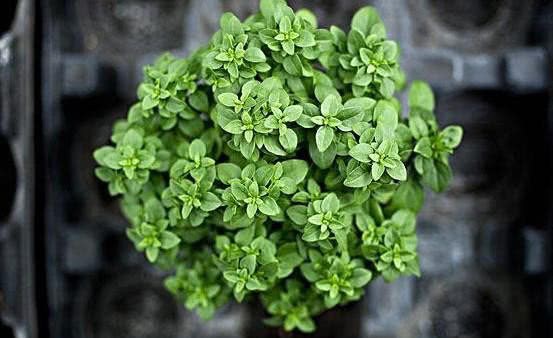
Aglaia odorata, known in Minnan dialect as "flower rice." Green branches, green leaves, and flowers as tiny as millet and golden yellow, filling the air with a delicate fragrance that resembles orchids, hence the name. Aglaia odorata flowers are like grains of golden millet, with a scent like the soft fragrance of orchids; when it blooms, the whole tree turns golden and the house fills with fresh fragrance.
Potted Aglaia odorata is an evergreen shrub or small tree flower of the genus Aglaia in the Meliaceae family, also called millet aglaia, tree orchid, and ylang-ylang. Its trunk is upright, its branches graceful, its leaves thick and broad, and its small branches naturally droop, lush green and full from top to bottom, blooming continuously all year round. When in bloom it has a light fragrance and is a very common flower, often bought by people as a potted ornamental.
Many flower lovers grow Aglaia odorata that blooms little and is not fragrant either, and some even drop their leaves. The reason for this is that the growing method is not quite appropriate, so how should Aglaia odorata be grown?
Potted Aglaia odorata is a typical tropical and subtropical ornamental plant. It is an evergreen shrub that likes light and tolerates high temperatures. It is relatively afraid of cold and has high temperature requirements, so in daily care it should be placed in an environment with good ventilation and long hours of light.
Only when the plant's need for light is satisfied can Aglaia odorata grow robustly, produce more buds, and bloom fragrantly. If it lacks light, it will only grow branches and leaves without blooming, and the floral fragrance will also become weaker.
The root system of Aglaia odorata is numerous and fine, relatively well developed, and potted plants generally need repotting once every 1-2 years. Replace with fresh soil rich in nutrients, remove excess rotten fibrous roots, and add an appropriate amount of base fertilizer.
The potting soil is best slightly acidic, and it must both retain fertilizer and not become waterlogged, that is, breathable and sufficiently nutritious. You can use ordinary garden soil or leaf mold and river sand, then mix in a small amount of plant ash or thoroughly burned coal cinders.
Aglaia odorata loves fertilizer. If you want to see flowers in all four seasons, you need to promptly supplement fertilizer after each flowering, otherwise it will be difficult for it to bloom again. If you want a rich floral fragrance, golden color, and more flowers, you must apply more liquid fertilizer containing a relatively high amount of phosphorus.
Aglaia odorata blooming little is also related to watering. For daily watering, follow the principle of watering when dry and letting it dry between waterings. Too much water easily causes yellow leaves to drop, while too dry soil easily causes green leaves to drop. It is best to water when the tender tips slightly droop, and try to control the amount of water. In summer, water in the morning and evening, and in winter be sure to water very little.