If a plant gets sick, just cut it back once; it looks ugly, but new shoots soon emerge
In the process of growing plants, we inevitably run into situations where plants and flowers develop problems. Actually, it is not hard to deal with a sick plant. As long as we carefully tend to it for a period of time, the plant will naturally get better, which shows how important our usual care habits are.
But some people also find, as they grow plants, that the plants get more and more yellow the more they grow? The worse they get, the larger the yellowed and withered area becomes, which even puts us plant lovers in a bad mood. It does not matter. When this happens, we need to be ruthless: cut off all the withered and yellow leaves of these plants, leaving only a little above the soil.
So which plants can be treated this way? Today Huahua will give everyone a few examples.
Kalanchoe
After the weather turns cool, many friends start growing kalanchoe, because kalanchoe blooms in winter, so it is especially popular. Today Huahua will tell everyone a little trick that can make kalanchoe grow better and bloom better! After kalanchoe blooms, the remaining old branches and old leaves can be trimmed with scissors. Trimming the old branches and old leaves can promote the growth of new leaves on the kalanchoe. Only after new branches grow out can the kalanchoe bloom more vigorously and brightly next time!
Clivia
Clivia is also a fairly common household plant. During the growing process, if clivia shows large areas of yellowing and dying leaves, and it looks like there is no way to save it, what should we do? We can directly cut off all the clivia leaves, leaving only the base of the leaves. Doing this can prevent the yellowing and withering from continuing to spread to the roots, and can also encourage new branches and leaves to grow!
Spider plant
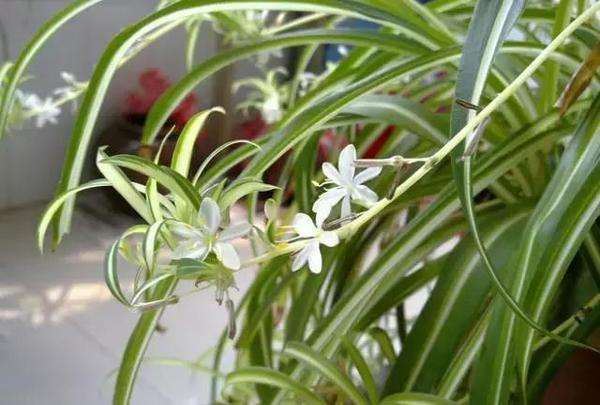
Actually, spider plants can also use this method. Many beginners, when growing spider plants, always water too much or too little, causing the spider plant to develop withered leaves and yellow leaves. Ordinary yellowing leaf tips are fine; after careful care for a period of time it will recover, but if large areas of yellowing and withering appear, we need to check whether the roots of the spider plant are still alive. If the roots are alive and there is no problem, then most of the spider plant leaves can be cut off, leaving only the part above the roots.
After careful care for a period of time, the spider plant will put out new leaves.
Whether it is a spider plant or a clivia, once large areas of dead leaves have appeared, it shows that you as a "plant grower" are not quite up to standard. Remember to reflect in time on where you went wrong, which caused the plant to die off over a large area.
Learn from the experience, adjust your mindset, and quietly wait for the plant's new leaves to sprout. Many plants are like this. If you already feel the plant is barely hanging on, you might as well try this method; perhaps the plant will come back to life!