Avoid these 4 pitfalls with snake plants in autumn, and they'll immediately sprout 11 pups
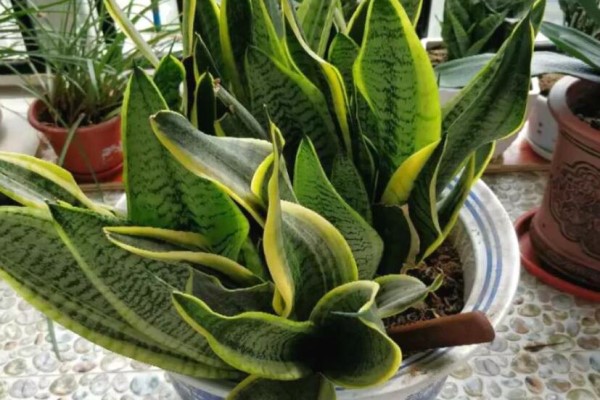
Taboo 1: Soil packed too firmly, smothering the pups to death
During the growing season, snake plants easily produce a bunch of little pups. At this point, if your soil is too compacted and hard, the little sprouts will struggle to push through no matter how hard they try! Hurry up and loosen the soil, don't wait until the sprouts are all suffocated~
1. Loosen the soil by hand
This is easy to do. Take a small trowel and loosen the soil along the edge of the pot first. Be careful not to dig too deep - just loosen the top 3-5 cm. Near the plant's roots, use a smaller tool to loosen slowly, and don't damage the root system.
2. Remix the soil
If your snake plant really needs repotting, you can replace the soil. Garden soil : leaf mold : sand granules = 2:1:1, this ratio works well. After repotting, water thoroughly to settle the roots, and place it in a cool indoor spot for 3-5 days and it will acclimate.
Taboo 2: Overindulgent watering, kills it in minutes
Huahua has noticed that gardening friends especially love to water - one pot in the morning, one in the evening, and they also like to carry around a small watering can spraying and spraying. This won't do! Even the strongest snake plant will be "stuffed" to death by water.
1. Control water appropriately in autumn
Snake plants are actually quite drought-tolerant. You must stick to watering only when the soil is dry. This not only matches its physiological needs, but also stimulates its growth and sprouting of little pups, training the snake plant to grow tougher and tougher!
2. Use a bamboo stick as a moisture detector
For gardening friends who can't tell whether the potting soil is dry or not and when it's the right time to water, you can stick a chopstick along the edge of the pot, inserting it about 6-8 cm into the soil. Pull it out occasionally to check - if the chopstick is dry, you can water.
Taboo 3: Starvation-style neglect, no wonder it grows slowly
Snake plants grow fast in autumn and need plenty of nutrients. Gardening friends who keep complaining about slow growth should hurry up and give it some nutrients. Without putting on some fat, how will it cope with autumn and winter~
1. Rice water and soybean water, water once and it thrives for a month
If you grow plants at home, don't forget to always keep rice water and soybean water on hand. Store them in plastic bottles in a corner of the balcony, and they'll be ready to use safely in just over 2 weeks. When watering, first dilute with water at a 1:20 ratio. Not just for snake plants - all your home plants can use it.
2. Bury a few soybeans, saves hassle
For gardening friends who find liquid fertilizer a bit troublesome, you can just use some soybeans, preferably cooked ones. Bury 1-2 beans in each of the four corners of the pot, and remember to cover them with soil. This fertilizer can last for several months~
Taboo 4: Kept indoors all the time, colors fade and it grows leggy
Snake plants have all kinds of patterns, and if not grown well, the patterns will disappear. Especially with insufficient light, the golden color will fade, and the originally wide leaves will grow thinner and thinner~
Give it more light in autumn, and the leaves will be strong enough to overwinter with no pressure
Now that temperatures aren't high, you can place the snake plant in a bright spot indoors, maintaining 3 hours or more of light per day, and it will grow stronger and stronger! Gardening friends in the south, note that you still need to shade it when the sunlight is intense~