These 5 potted fruit trees are especially easy to bear fruit, very suitable for planting in the yard
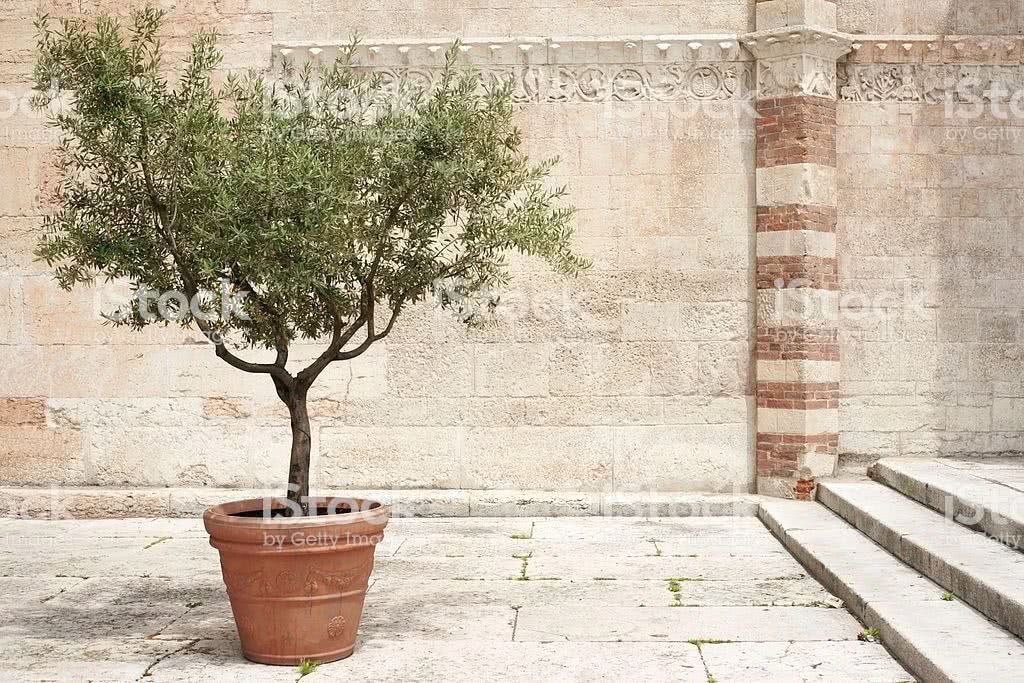
Some people also set up some trellises in the yard to grow melons and fruit-bearing plants, so they can taste their own homegrown organic vegetables or fruits. If you want to grow some fruit trees that bear fruit easily, you still need to choose the right varieties, and it is best to propagate them by stem cuttings. After the fruit trees grow taller, use grafting to encourage fruiting.
The cost of buying fruit trees is not too high. Plant them once, and after 3 to 5 years they can bear fruit every year. It is best not to try growing them from seed, otherwise it will be very difficult for them to bear fruit.
Use grafted seedlings that are two to three years old or older for cultivation. Most fruit trees need to be grafted onto special rootstock to bear fruit easily.
If you do not know how to graft, you can check the article I published yesterday.
Below I will introduce five fruit trees that are especially easy to bear fruit and can also be grown as potted plants.
1. Fig
Figs are suitable for propagation in late autumn and early winter, and it is best to propagate them by stem cuttings. You can cut a section of branch about 12 cm long, remove all the leaves at the bottom, and keep 2 to 3 leaves at the top, which is enough. Finally, prepare some loose, well-draining soil for the cuttings, keep the soil moist and the environment ventilated and bright, and maintain the temperature between 18 and 22°C, and they will quickly take root and sprout.
Figs can be grown in flower pots. They have a certain cold tolerance, but if the winter temperature drops below 5°C, you can move them indoors to protect them from frost damage.
2. Pomegranate
Pomegranate is a very beautiful shrubby fruit tree. In spring it produces very enchanting red flowers. It likes a warm and humid environment year-round. The growing soil should be loose, breathable, well-draining humus soil. For potted cultivation, choose some dwarf varieties. The growing location should have plenty of light and be ventilated and bright. In spring and summer, regularly supplement with some organic fertilizer water.
3. Mulberry
Mulberry trees can produce delicious mulberry fruit. Its fruit is very difficult to keep fresh, so we cannot buy it in supermarkets. If you want to eat it, pick its small berries directly from the tree. They are very sweet and tasty, with a unique texture.
To care for mulberry trees, maintain a warm and humid environment year-round. The growing location should have plenty of light. In spring and summer, give organic fertilizer water once every two weeks.
4. Grape
Grapes are suitable for growing on a balcony or terrace, and they need a trellis to climb on. As long as they grow well, they can keep growing continuously and bear fruit every year. They need a very sturdy support to climb.
The growing location for grapes should have as much light as possible. They have fairly good cold tolerance and can grow even below 0°C. They can be propagated from cuttings using branches.
5. Blueberry
Blueberries include tall varieties and dwarf varieties. If growing them in pots, you can choose some low-growing varieties and propagate them directly from stem cuttings. They like slightly acidic soil, so do not choose alkaline soil for cultivation. When planting, you can mix more peat soil and decomposed pine needle soil into the soil.
The growing location for blueberries should have fairly plenty of light, and the soil should maintain good drainage. Regularly supplement with organic fertilizer water.
6. Raspberry
Raspberry is a semi-climbing plant. It can be grown in a larger flower pot and needs a trellis for support. It can be propagated from stem cuttings. The ripe small berries look a bit like mulberries, and the fruit is very delicious.
The environment for growing raspberries should have as much light as possible, with more than 8 hours of direct sunlight every day. Keep the environment warm and humid year-round, and the soil should have good drainage. In spring and summer, supplement fertilizer once every 2 to 3 weeks.