The world's rarest leek has gone extinct in many places; if you see it, please don't dig it up
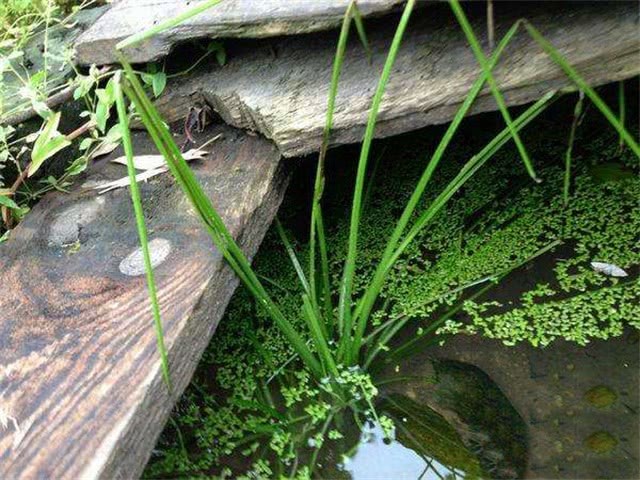
When people mention leeks, probably no one finds them unfamiliar, especially in rural areas, where many households grow their own leeks, because once leeks are planted, they can be harvested many times, which is very convenient, and the taste of leeks is also something many people like. Besides cultivated leeks, there are also many wild leeks in the countryside, especially in spring, when many people like to dig up some wild leeks to eat, because wild leeks are especially fragrant. But note: not all wild leeks can be eaten. One kind is a nationally protected plant, and if you see it, you must not dig it up.
This kind of leek is unique to China, and its name is Chinese quillwort. This Chinese quillwort is called the giant panda of the plant world, and it has already gone extinct in many places. So why is this Chinese quillwort so precious? First, Chinese quillwort appeared very long ago, and it is the only surviving plant in the present-day Isoetaceae family; it can also be said to be a plant fossil, which is of great research value to botanists. This Chinese quillwort grows on swampy ground and looks no different from ordinary household leeks, only its growing environment is different, so it is easily mistaken by people for an ordinary leek.
Chinese quillwort has extremely high requirements for its growing environment; whether for soil or water, it has requirements, and more importantly, it requires the surrounding water quality to be unpolluted, because only then is it conducive to its growth. However, due to the pollution of the current water environment, plus the fact that some people simply do not recognize Chinese quillwort, let alone know how to protect it, the number of Chinese quillwort is now extremely scarce. Now this Chinese quillwort is still a national first-class endangered plant, and it has gone extinct in many places. Farmer friends, when you see this Chinese quillwort, you must absolutely not dig it up; you must protect it well.
And as long as an area where Chinese quillwort grows is discovered, one thing can be certain: the surrounding water quality is unpolluted. In today's heavily polluted world, finding Chinese quillwort is also rare and precious.
As a plant unique to China, Chinese quillwort currently still has very important research value in the field of research, and coupled with its scarcity, things are precious when they are rare. It can be said that Chinese quillwort is truly the most precious and rare leek. Now some institutions already specialize in cultivating Chinese quillwort, hoping to preserve and protect it to a certain extent and let more people recognize Chinese quillwort; there are also specialized institutions that provide special protection for the Chinese quillwort that has already been discovered. In your hometown now, can you still see Chinese quillwort?