Eight essential points for growing orchids, none of which can be neglected
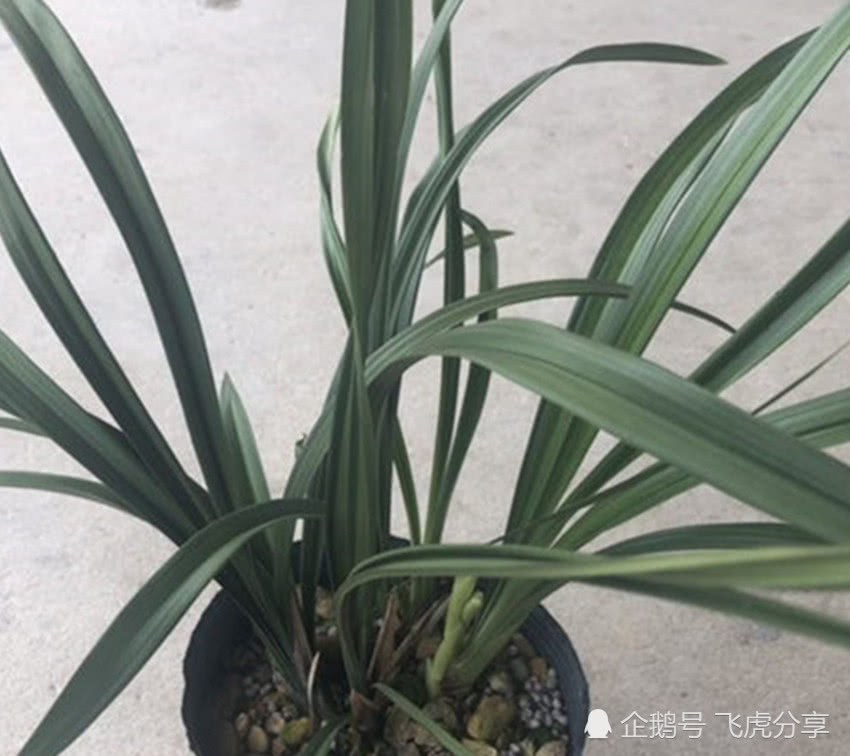
Orchids are quite different from ordinary plants, because orchids need many essential conditions to grow well, so growing orchids requires mastering these key points; if there is even a slight oversight, it may be harmful to the orchids' growth. Therefore, the following eight key points for growing orchids are all indispensable.
1. Sterilize wounds first when transplanting. When transplanting or repotting, the root system will inevitably be injured, so before transplanting, the wounds should first be sterilized. Apply carbendazim or chlorothalonil to the wounds to prevent wound infection and stop pathogens from invading. 2. Plant the plant shallowly. Many orchid growers often plant orchids too deep when transplanting, which easily causes the orchid buds to rot just as they emerge. The correct approach is to let the pseudobulbs remain exposed above the growing medium, and not bury the pseudobulbs too deeply. 3. The root system should be straightened. When transplanting, do not bunch rotten roots into a clump. Gently and carefully spread the orchid roots so that every root can come into contact with the growing medium, enabling them to absorb enough water and nutrients and helping them recover vigor quickly.
4. Do not water after planting. Newly potted orchids have root systems that are more or less injured. Watering immediately makes it easiest for pathogens to take advantage of the opening. Moreover, the fungicide applied during transplanting has not yet truly taken effect, so newly potted orchids should be watered three days later, to help the root wounds heal and to benefit new root growth. 5. The flower pot should not be too large. Orchids differ from other flowers: during growth, orchids need an environment with good airflow. If the pot is too large, it affects airflow, and watering is also hard to judge; with even a slight mistake, root rot can be caused. 6. The plant should be secured. Orchid growers all know that orchids should not be planted too deep, but if planted too shallow, the orchid plant is likely to be unstable, making it easy for the orchid roots to fail to anchor firmly and grow poorly. Therefore, after transplanting orchids, stakes or other items should be used promptly to secure the plant, so that it does not sway back and forth and damage the roots.
7. Do not fertilize before orchid buds emerge. Because a newly transplanted orchid's root system has not yet anchored firmly and its washed roots have not yet grown fully, no fertilizer should be used at this time, otherwise all previous efforts will be wasted. This is because at this time the orchid roots do not yet have the ability to absorb fertilizer, and root rot is easy to cause. If fertilizer is to be applied, wait until the orchid buds have emerged more than three centimeters before using it. 8. Avoid a dry environment. A dry environment easily causes orchid leaves to scorch and the plant to grow poorly. Therefore, when growing orchids, a moist environment suitable for their growth should be created for them.