What to do if your clivia does not grow new leaves? 3 tips to make new leaves sprout fast
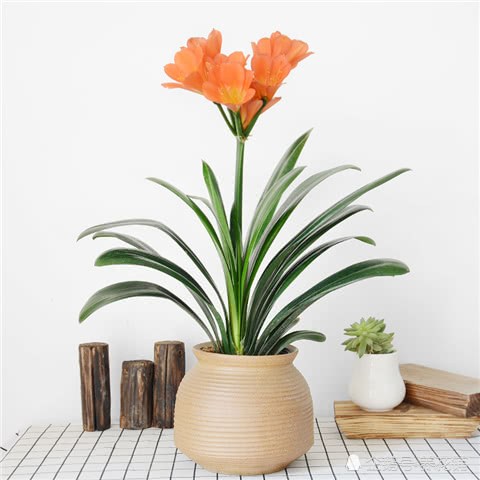
There are several reasons why clivia does not grow leaves: soil that is too acidic, lack of fertilizer, lack of water, and root rot. So for each different situation, corresponding measures need to be taken. Let's take a look below!
Soil too alkaline:
If the soil has been used for too long, or if the soil was mixed improperly when repotting and planting, the alkalinity can become too high, which inhibits the roots' absorption of nutrients and water, affects the plant's growth, and naturally no new leaves will grow.
Solution: Water with a ferrous sulfate solution or a diluted edible vinegar solution to dilute the alkalinity in the new soil, and after a few days new leaves will grow again; or replace the soil with a loose, breathable, slightly acidic soil.
Lack of water and fertilizer:
During the growth process, if fertilizing and watering are not done in time, nutrients and water will be insufficient, directly affecting the growth of the clivia and causing the plant not to grow new leaves.
Solution: Fertilize and water in time; sufficient nutrients can make the plant's leaves thick, plump and glossy green.
Root rot:
When a clivia's roots rot, the roots cannot fully absorb water and nutrients, so the plant does not grow new leaves and may even die.
Solution: Deal with the rotted root parts in time, clean off the old soil, soak the plant's roots in rooting powder to make the root system strong as quickly as possible, let the cut parts dry, replant, and place it in a suitable environment.