6 flowers suitable for low-maintenance keeping, growing vigorously without spending money or tending to them
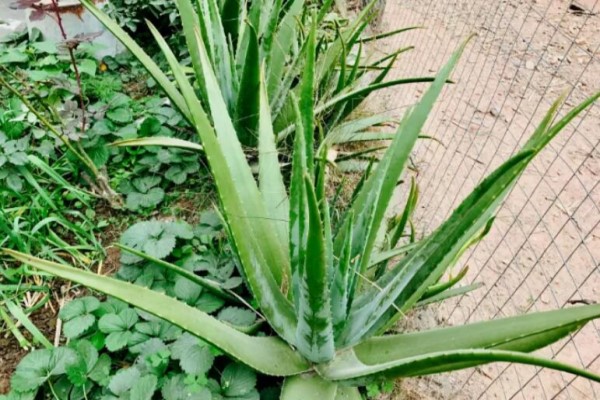
Aloe
TheNaturePlanet has been growing flowers for so many years, and there's always an aloe plant around - it just won't die, and every year it produces a bunch of little aloes. We've given them out to a whole circle of neighbors and friends, and I believe many flower lovers who grow aloe have had the same experience~
1. How to propagate
Aloe cannot be propagated by cuttings; it mainly reproduces by division. Now that the weather has cooled down, it's the perfect time to divide and repot. Dig it out and carefully pull it apart, and one pot becomes many. The survival rate of the little aloes is 100%.
2. How to "keep it on the cheap"
Aloe grows slowly. Grown in the ground it's a bit faster, but indoors in pots, because of insufficient ventilation, it grows slowly and tends to become leggy. What to do? Best to keep it lazy - mix some sand into the soil, don't water too frequently, and occasionally water with rainwater or vegetable-washing water, and it's sure to grow fast!
Stringy Stonecrop
Stringy stonecrop is commonly seen by the roadside. Many people grew it in childhood - pinch off a piece and take it home, and half a plastic bottle is enough to grow it. Hang it at the doorway and it doesn't fear wind, sun, or rain~
1. How to propagate
Stringy stonecrop can be propagated by cuttings, a bit like purslane - pinch off a stem and stick it in soil and it lives. TheNaturePlanet has an old washbasin at home; we picked up a dozen or so stringy stonecrop pieces and stuck them in, and in 3 months they grew into a "green mushroom" - it fills the pot so fast.
2. How to "keep it on the cheap"
Stringy stonecrop really needs no care, but indoors you need to consider humidity - occasionally mist it to add moisture. No fertilizer needed and it grows like crazy, so much it annoys you. TheNaturePlanet heard it can be served as a cold salad - snip some and you have a plate of food. Now you don't have to worry about it growing too much.
Kalanchoe
Don't say cheap-to-keep flowers aren't beautiful - look at the colorful kalanchoe, which can bloom all year round and is a perennial bestseller at flower markets. Still spending money to buy it? That's really out of touch~
1. How to propagate
Kalanchoe cuttings are very simple. How simple? Even a leaf can root. The leaves and flowering branches you normally prune off can all be stuck into soil, and before you know it you've propagated a whole bunch. Why pay to buy them?
2. How to "keep it on the cheap"
When growing kalanchoe, the worst thing is being too diligent - water it too much and it black-rots and turns to mush, and constantly moving it around also affects growth. In autumn and winter, just put it in a bright, ventilated spot, water only when the soil is dry, and with a splash of rainwater or rice-washing water, it blooms from autumn into winter!
Heartleaf Aptenia
Ordinary spider plant is too plain, so grow heartleaf aptenia instead. Almost every household among TheNaturePlanet's neighbors has a pot - the leaves are so green they shine, and it opens little red flowers that are extremely festive!
1. How to propagate
Just pinch off a piece of heartleaf aptenia and stick it in soil and it lives. Many flower lovers fail at cuttings - either they water too much and it rots from lack of ventilation, or it's too dry and withers. Remember: stick it in soil, put it on a shaded windowsill, water thoroughly, then water again after 2-3 days, and the survival rate will be higher.
2. How to "keep it on the cheap"
For flower lovers in southern regions, you can absolutely grow it outdoors, where it grows even more vigorously. For those in the north, move it indoors in winter. As long as you don't water too frequently, it definitely won't die. The only issue is that with insufficient light it blooms less - watering with a bit of rice-washing water can also encourage blooming~
Cactus (ball cactus)
Don't underestimate the ball cactus - it also has a formaldehyde-absorbing effect. Many green plants die quickly after absorbing formaldehyde, but this one is different. As long as you don't mess with it, you're sure to grow it well!
1. How to propagate
The ball cactus also produces little pups. If you think it's too slow, you can perform a little surgery on it: cut a slice off its top! Then put it in a ventilated spot and keep caring for it for about 1 month, and it will sprout little heads on its own.
2. How to "keep it on the cheap"
When growing a ball cactus, the worst thing is rain, because rainwater falling on the body easily causes disease and rot. When watering normally, don't pour it over the plant either. Also, don't water too frequently - too much water makes it grow leggy into a "cactus column," and it won't be round at all!
Succulents
Every summer more than half the succulents die, but TheNaturePlanet has gotten used to it. Whatever you do, don't pick expensive ones to grow - just grab some cheap ones and take them home for leaf propagation, and in no time you'll have a huge collection!
1. How to propagate
From succulents that died in summer, keep the good leaves and place them on moist soil - no need to stick them in. Put them in a shaded, ventilated spot and mist with water every two days. They'll quickly root and sprout on their own, and in about 4 months they'll fill the pot!
2. How to "keep it on the cheap"
When growing succulents, the fear is overwatering - almost all cases of turning to mush and black rot come from too much water and root rot, so lazy keeping is best; being too diligent actually doesn't work. In autumn, if you want your succulents to grow fast, give them more sun and add a few granules of slow-release fertilizer - that's enough.