Typhoon's coming: move these 4 flowers indoors as soon as possible, or the dead branches and withered leaves will be beyond saving
More and more people are growing flowers these days, and the premise for healthy plant growth is always a suitable environment. Over the past couple of days, everyone has probably been extra cautious about the weather situation, especially friends in the south, as the big typhoon "Mangkhut" bears down, with winds of over ten grades being something rarely seen. First, a reminder to fellow flower growers: go out as little as possible and stay safe. Next, let's talk about the flowers and potted plants we love. In typhoon weather, flowers and plants naturally won't grow well either. Especially the common ones placed outdoors, be sure to remember to move them indoors for care. Otherwise, once the typhoon passes, the dead branches and withered leaves will be beyond saving no matter what you do.
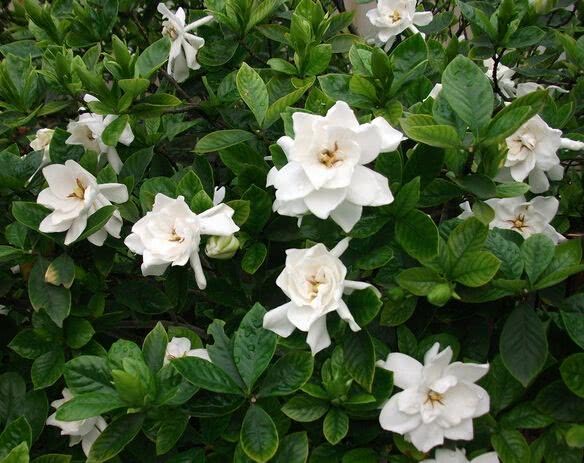
1. Gardenia (Gardenia jasminoides)
Anyone who grows gardenias knows that this flower is very fussy to care for. Light rain and gentle breezes are fine, but a big storm will of course be bad for its growth. Not to mention that the pure white flower buds will be knocked off; even the leaves probably won't stay on. If your gardenia is grown outdoors, remember to move it indoors as early as possible. Now let's talk about a few tips for caring for gardenias. The first is watering. As the saying goes, it takes three years of practice to master watering flowers. Watering is very important for gardenias. They like a humid environment, so the soil is best kept slightly moist, and watering at least twice a week is ideal.
2. String of Pearls (Senecio rowleyanus)
String of Pearls has very high ornamental value. Just look at its leaves, which are completely like little prayer beads strung together, isn't it beautiful! Most fellow growers like to keep String of Pearls in one of two places: one is on one side of an indoor balcony, and the other is on an outdoor wall. Hanging it up is the best way to display String of Pearls. In everyday care, String of Pearls is quite afraid of water; if moisture stays on its little beads and can't evaporate for a long time, it easily leads to rotting leaves and blackening. There's also a little trick for caring for String of Pearls that can make it grow more and more vigorously: regularly give it soybean fertilizer.
3. Rose (Rosa chinensis)
Many people grow roses, because roses are low-maintenance and very easy to care for. Besides potted growing, many fellow growers choose to plant them directly in the ground, that is, planting a row right in an open spot in the yard. And when they bloom, they really are vivid and bright. But now that this typhoon and heavy rain have arrived, it's probably going to be hard to deal with. If you didn't transplant them into pots and move them indoors ahead of time, then after the wind and rain pass, be sure to promptly cut the branches off at the base so they can regrow. Of course, roses have tenacious vitality, and with proper care, they can sprout branches and leaves again in less than a month.
4. Moss Rose (Portulaca grandiflora)
Moss Rose, although everyone knows it's easy to grow and has tenacious vitality, commonly known as the "flower that won't die," it still can't withstand a typhoon. I still remember that when I was little, the Moss Roses at home were planted all over the ground. After every rain, as soon as the sun came out, they would bloom with beautiful flowers in all kinds of colors, including double-petaled ones. When a typhoon comes, you can't be so careless, after all, this isn't ordinary wind and rain. Once Moss Roses are pulled up by the roots, no amount of saving will keep them alive. So before the typhoon, if you can transplant some into flower pots, then transplant some! Keep some branches, and after the typhoon plant them in the ground again, and in less than two months you can propagate quite a few, since Moss Roses have very strong propagation ability.
Besides the few flowers mentioned above, most common flowers and potted plants are best moved indoors for care. Of course, some fellow growers may have quite a lot, and there probably won't be enough room indoors, so just choose a few of the more valuable ones to transplant indoors!
Finally, a reminder to fellow flower growers: when the typhoon arrives, stay safe~