The world's hardest food, hard as solid wood, impossible to cut with a knife, must be shaved into wood-like shavings with a plane before eating
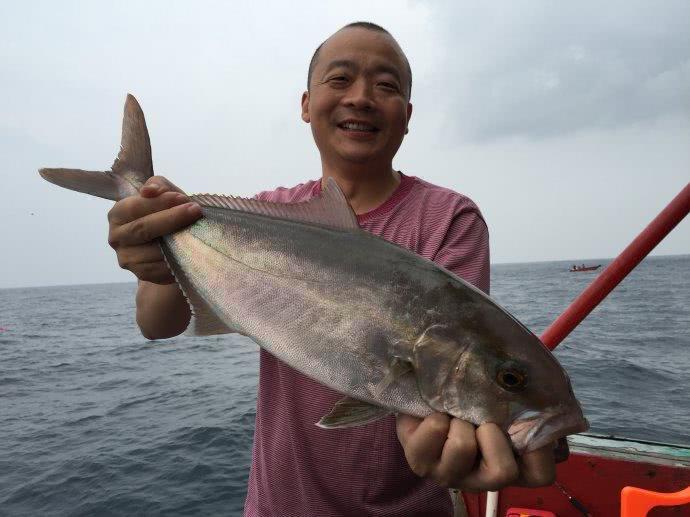
When it comes to very hard foods, the ones that probably come to mind are baguettes, hardtack and the like; they are generally recognized as chewy, hard foods. But compared with the world's hardest food in the Guinness records, they simply do not measure up. This so-called hardest food is actually a kind of dried fish; it is made from a type of tuna, and after many complicated steps it becomes harder than wood, impossible to cut through with a kitchen knife. To process this food you have to use the kind of plane used in woodworking, and only after shaving it into "wood shavings" can it be eaten. In fact, many people have eaten this food, only many people do not know it.
When everyone eats takoyaki, the layer of katsuobushi flakes sprinkled on top is actually the meat of this dried fish. This dried fish is called "katsuobushi," and it is made from the meat of the skipjack tuna. The skipjack tuna belongs to the tuna family, has a high yield and a low price, and is produced in the waters of the South China Sea and the East China Sea of our country, while there are also large schools of the fish in the waters of Japan. The earliest use of skipjack tuna to make dried fish was invented by the Japanese; in the Edo period, a fisherman, in order to keep too many skipjack tuna from spoiling and going bad, came up with a method, which was to make them into a super-hard dried fish.
The method for making this dried fish is completely different from the method for making dried fish in our country. Fishermen in our country usually make dried fish in two steps: curing with salt, then drying in the sun. The Japanese method is much more complicated. First the fish is sliced into long strips, then boiled, with the bones removed and the skin peeled off, then smoked with burning wood, smoking away the moisture in the fish. After this process is completed, the katsuobushi is still only a semi-finished product; the subsequent steps are the truly essential part. After smoking, the semi-finished product is placed in a damp place to let it become covered with mold, then dried in the sun, and then the mold is scraped off. Repeat this step 3-5 times, and the katsuobushi is ready.
A dried fish made through such complicated steps can be imagined to be how hard; each processing step makes the skipjack tuna lose more moisture, and after production is complete, the dried fish is like a piece of dead wood, both light and hard. This dried fish therefore can only be shaved with a specially made plane, just like the plane used by woodworkers in our country for planing wood; the shaved fish meat is like wood shavings, and it is generally used to make soup, or it can also be placed directly on food to eat. Although it is very hard, its flavor is also unparalleled; various Japanese delicacies cannot do without it, for example the stock in ramen, sushi, and hot pot soup bases all contain delicious katsuobushi.
Our country's skipjack tuna production is also very high, but the processing method is not as refined as that of the Japanese; at present, most of the skipjack tuna caught by fishermen is made into canned goods or exported to Japan.