A nutritional gold mine with extremely high vitamin C content; eating one is equivalent to eating 60 apples
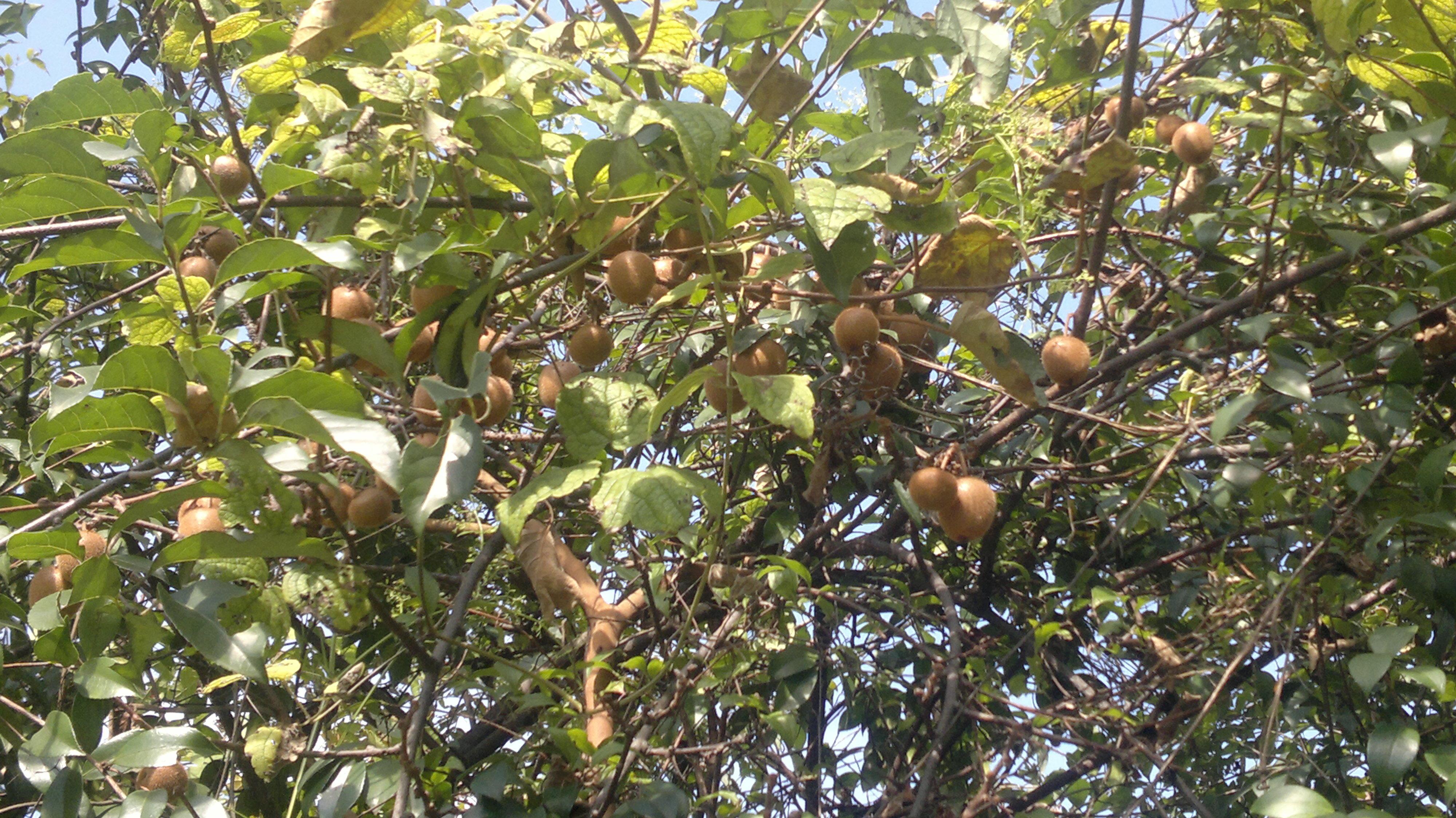
Our country is vast in territory and rich in resources, with abundant wildlife resources, especially in the rural wild. For these wild animals and plants, farmer friends both love and hate them: they love the ones that can be eaten and used, and hate the ones with thorns, strange odors, and toxins.
When it comes to wild plants and animals people like, wild fruits are indispensable. No matter the season, in the rural mountains there are all kinds of wild fruits that can be picked and eaten, such as mulberries and raspberries in March and April, wild grapes and August melons in July and August, and so on.
And in September, quite a few wild fruits also ripen. Today I will introduce a wild fruit unique to our country and very rare. Not many people have seen this wild fruit, let alone eaten it. Let's take a look together.
Speaking of wild fruits, many friends who have lived in rural areas have surely eaten them, especially in summer and autumn when there are the most. In the rural areas of the past, supplies were scarce, and rural children basically had no snacks to eat. When they were hungry and wanted snacks, they would go to the wild or the mountains to pick some wild fruits to eat, so they loved wild fruits very much.
To this day, wild fruits are also widely loved by people. Although they are wild, their nutritional value is not inferior at all to cultivated fruits, and many wild fruits even have nutritional value much higher than fruits. The wild fruit to be introduced today is exactly like this.
It is a wild kiwifruit, but it differs considerably from ordinary kiwifruit. Ordinary kiwifruit has yellow-brown skin and green flesh, but this kiwifruit has red skin and red flesh throughout, so it is called "red kiwifruit."
Speaking of kiwifruit, everyone should be familiar with it. It is also called kiwi fruit, and its nutritional value is very rich. It contains 18 amino acids essential to the human body and vitamin C, B, E, and minerals such as potassium, calcium, magnesium, and phosphorus.
In particular, its vitamin C content is very high, and it has the reputation of "king of fruits" and "crown of vitamin C." But this red kiwifruit is even better, with the reputation of "nutritional gold mine." Its vitamin C content is extremely high, higher than ordinary kiwifruit. Its vitamin C content is 10 times that of citrus and 100 times that of apples. Therefore, the vitamin C contained in one such red kiwifruit is equivalent to the vitamin C of eating 60 apples.
The main reason red kiwifruit is red throughout is that it also contains very rich anthocyanins.
Many people have not eaten or even seen this red kiwifruit. The main reason is that this red kiwifruit is a very rare and precious wild fruit. It was first discovered in 1985 in the mountainous area of Luanchuan County, Henan Province, China. Later research found that this red kiwifruit exists only in our country, and the number of wild ones is extremely scarce, so it was later listed in the "Second Batch of National Protected Plants."
However, now with the development of this red kiwifruit, large-scale artificial cultivation and nutritional applications have begun in some provinces and cities in Henan and Shaanxi, such as red kiwifruit wine. It is believed that in the near future it will enter the homes of ordinary people.
Dear friends, I wonder if you have seen this kind of kiwifruit that is red both inside and out? If you had the chance, would you want to eat it? You are welcome to leave a message and exchange ideas!