These several kinds of flowers at home are extremely harmful to your health, no matter how beautiful they are, you should throw them away
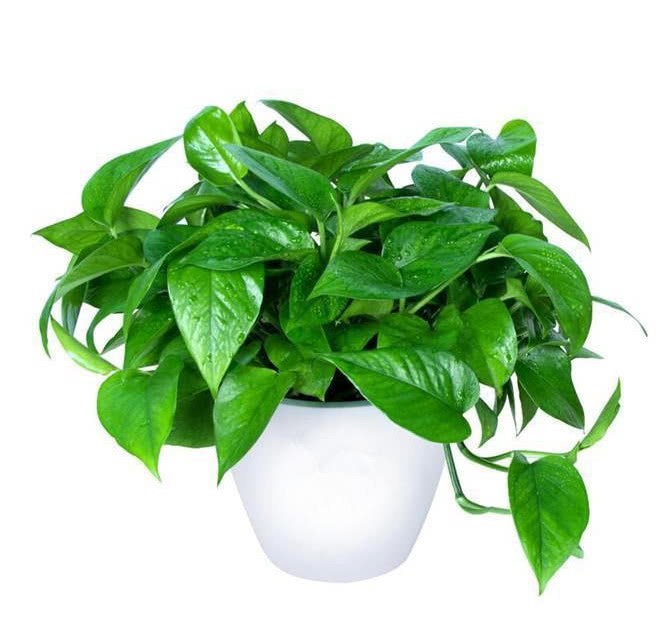
Pothos (Epipremnum aureum) is very popular now because it can absorb harmful gases, and many people like to keep a pot at home or in the office, but pothos is also toxic! The sap of pothos is likewise toxic, and getting it on the skin will cause redness, swelling and itching; if swallowed by mistake, it will cause swelling and pain in the throat, so it is fine to keep it in the office, but at home you must be careful not to touch its sap, and even more so not to swallow it by mistake. Especially in homes with small children
Alocasia (Alocasia macrorrhizos) is a common foliage plant, and because its leaves are large and green, it is very popular with flower growers, but facts have proven that Alocasia is toxic: not only is the white sap in the roots and stems toxic, even the water dripping from the leaves is toxic. If it touches the eyes, it will cause severe conjunctivitis and even blindness, and the consequences are very serious, so families with small children must not keep it.
Night-blooming jasmine (Cestrum nocturnum) really is very fragrant, and many families like to keep a pot of it at home, and at night it is especially fragrant when placed in the bedroom. In fact, this fragrance is the waste gas it releases, and smelling it often will cause dizziness and coughing, wheezing and insomnia, and is very bad for people's nervous system. In addition, the fragrance of night-blooming jasmine will also make patients with heart disease and high blood pressure feel dizzy and very uncomfortable.
Kalanchoe (Kalanchoe blossfeldiana) plants are small and delicate, with a compact plant shape, emerald green leaves and dense flowers. It is an ideal indoor potted flower for autumn and winter. The flowers are tolerant of drought and are not demanding about soil. The symbolic meaning is very good.
Hydrangea (Hydrangea macrophylla) has plump flowers, large and beautiful, and its flower color can be red or blue, making people feel pleased and refreshed; it is a common potted ornamental flowering shrub. China cultivated hydrangeas relatively early, and hydrangeas were planted in the Jiangnan gardens built during the Ming and Qing dynasties. Parks built in the early 20th century also could not do without hydrangeas in their planting arrangements. Modern parks and scenic areas all plant them in large patches to form a landscape