TCM Syndrome Differentiation Types and Medication Methods for Atelectasis
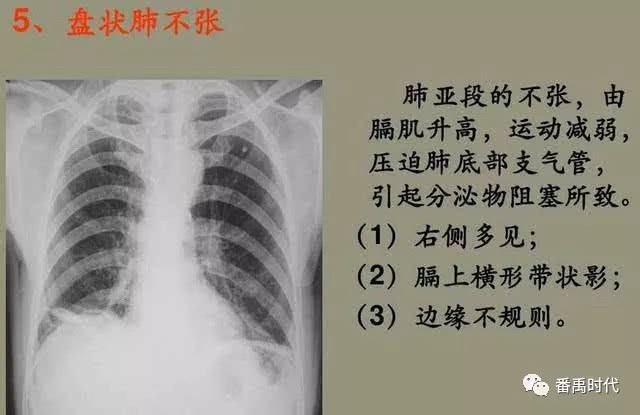
Western medicine's respiratory distress syndrome is what TCM calls atelectasis. This is a relatively serious lung disease that can develop from a variety of chronic or acute pulmonary conditions, so it is a secondary disease. Secondary lung diseases, especially after atelectasis develops, phlegm, wheezing and cough with counterflow qi have already become constant, even extremely affecting daily life, requiring bed rest or long-term bed rest. In treatment, TCM adopts strategies such as eliminating phlegm, stopping cough and calming wheezing, and regulating the qi, blood, yin and yang of the zang-fu organs.
Whatever the type of TCM lung disease, its pathogenesis cannot be separated from cough, wheezing and phlegm, and the relationship among the three is very close. For example, cough and wheezing often come with phlegm, and excessive phlegm often causes cough and wheezing. Thus, in prescriptions and medicines, drugs for stopping cough, transforming phlegm and calming wheezing are indispensable, and the compatibility of the three is also very particular, something only a Chinese medicine physician can grasp and handle well. Among these three types of Chinese medicines, there are also commonly the flavors pungent, bitter and sweet.
In terms of flavor, TCM treatment also has principles to follow. For example, sweet enters the spleen, pungent enters the lung, bitter enters the heart, sour enters the liver, salty enters the kidney, and so on. Therefore, in Chinese medicine formulas there are also guiding medicines, some of which use the flavors of Chinese medicines. For lung diseases such as atelectasis, medicines of three flavors are commonly used, and these are also closely related to pulmonary diseases. For example, pungent can open depression and dissipate nodules; bitter can descend qi and calm wheezing; sweet can moisten the lung and stop cough.
In TCM syndrome differentiation and treatment of pulmonary diseases such as atelectasis, there is often an association with the spleen and kidney, because TCM says the spleen is the mother of the lung, the lung is the mother of the kidney, the kidney is the mother of the liver, and so on. Disease of the mother and disease of the child affect each other, and the TCM concepts of the five zang organs restraining one another, the five zang organs corresponding to the five directions, and the five zang organs corresponding to the five seasons all need to be taken into account in syndrome differentiation and treatment. There are also syndrome differentiation treatment methods such as warming and transforming cold phlegm, and clearing and transforming hot phlegm.