Why Succulent Leaves Wither and Turn Black, and What to Do About It
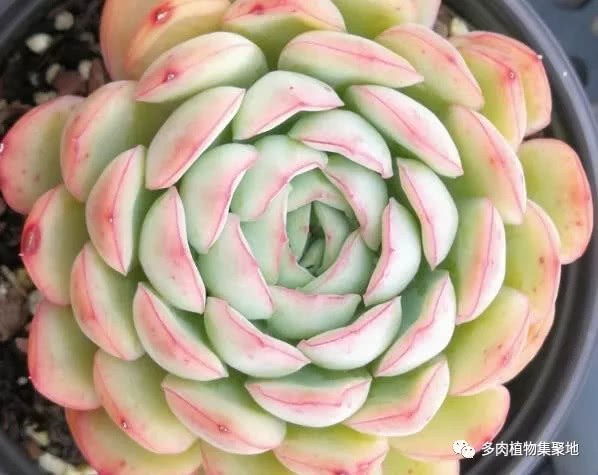
Black rot and decay are among the most common diseases in succulents, usually caused by a fungal infection brought on by overwatering or an overly humid growing environment. Most succulents grow in desert climates and are adapted to extremely arid growing conditions, so you must never water too much, and the soil should be allowed to dry out completely between waterings. Another cause of rot is soil that does not breathe. Always use a breathable, free-draining medium to ensure water does not sit around the stem for more than a few minutes.
When mixing soil for succulents, you cannot use garden soil directly; garden soil has relatively low nutrient content and tends to cake and harden, so water cannot soak through. We can mix an appropriate amount of coal ash and turf ash into garden soil, and of course the sunflower seed shells and peanut shells we crack open every day can also be added to help with aeration. Finally, you can place some maifan stone on the surface of the pot, which not only improves the ornamental look of the pot but also helps with watering by letting it seep in slowly.
When the seasons change, if we suddenly move succulents from indoors to outdoors in full sun, they are very prone to sunburn and black rot, and even succulents that have just been sprayed with fungicides such as carbendazim are very prone to chemical burn, black rot and turning to mush. Black rot shows itself in many forms, and by the time you notice it, it is often already too late. Always watch for discolored areas on the plant, as well as stems and leaves that have become soft and mushy.
Mealybugs feeding on wounds can also cause black rot in succulents. The center of a succulent is itself very tender, so mealybugs tend to gather there, and these fresh young leaves easily retain the mealybugs' secretions, which leads to sooty mold, and the growing point then easily becomes infected with black rot. So we must regularly check whether our succulents show any signs of insect bites.
Once a succulent is infected with black rot, it may lose just a few leaves in mild cases or the whole plant may die in severe ones, so doing preventive work in advance is very important. Do not bruise the succulent, or the stem will slowly rot the whole plant and kill it. Especially when the succulent's color turns slightly pale or even spotted, we need to respond accordingly, washing the affected parts of the plant with a solution.
For plants that already have black rot but are not completely rotted through, use a sterilized blade to scoop out as much of the rotten tissue as possible, and it is best to remove some of the unrotted tissue as well, because you may not be able to tell whether it is infected. When beheading a plant with black rot, you must cut down to a point on the stem that is not infected, otherwise it will keep spreading upward. After beheading, apply some carbendazim to the cut, let it dry for two days, then take cuttings.
This is a gathering place for succulent lovers, sharing succulent care tips. You are welcome to follow and join the conversation.