Why don't succulents dry out even without watering? The reason lies in their leaves
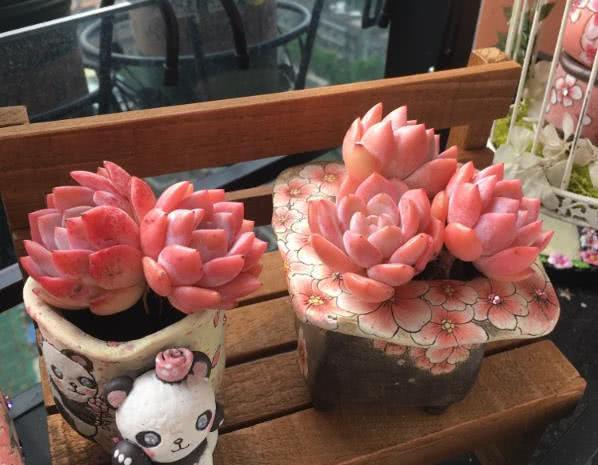
Succulents, such as Sempervivum and Sedum, are experts at storing water. When other plants can no longer withstand the heat, succulents can easily cope with the dry climate conditions of their native habitats. Besides their thick, fleshy leaves serving as natural water reservoirs for succulents, several features of succulent leaves also help them thrive.
The waxy coating on the leaves creates a barrier against water loss through evaporation. The hairs on succulent leaves disrupt the air movement around them, helping to maintain a moist layer of air near the leaf surface. The hairs also shade the leaves from some light. These seemingly small details all help succulents conserve water. Many succulents have cylindrical leaves, which reduce the surface area exposed to light and help lower transpiration.
If not watered for a long time, the roots may wither, but this takes a very long time because succulent leaves can also provide water to the plant. You can water only after the soil has dried out completely. Insert a bamboo skewer into the soil, as deep as possible, then pull it out and check whether it is moist. If it is moist, no watering is needed; if it is dry, then watering is needed.
Succulents prefer a cool, semi-shaded environment, with their main growing seasons in spring and autumn, making them an "intermediate type" among succulents. They are drought-tolerant, not cold-tolerant, and should avoid high temperatures, humidity, and scorching sun. They are afraid of shade and also afraid of waterlogged soil. During the growing season, follow the watering principle of "no watering when not dry, water thoroughly when watering." Avoid water accumulation, and do not let them be rained on, especially not for prolonged periods, all to prevent root rot.
When the air is dry, you can frequently mist the plant and its surrounding environment to increase air humidity. During the growing season, you can also cut off the upper half of a transparent, colorless beverage bottle and cover the plant with it to maintain it, allowing it to grow in a small environment with moist air. This can make the leaves plumper and the "window" more transparent. However, during the hot summer season, be sure to remove the beverage bottle to avoid stuffiness. Note that the flower stalks should not be cut with scissors; instead, hold them and wiggle them side to side to pull them off. This avoids leaving residual flower stalks between the leaves, which could adversely affect the growth of new leaves later.
Do succulents need to be in the sun all the time? During the growing season, most succulents need increased light. A special reminder: both Haworthia cooperi and Senecio rowleyanus (String of Pearls) need shading, meaning they should be grown in scattered light and must not be exposed to direct sunlight. For other succulents during their peak growing season, 4-6 hours of direct sunlight per day is sufficient, and bright scattered light is fine for the rest of the time.
This is a gathering place for succulent enthusiasts, sharing succulent care tips. Welcome to follow and exchange ideas.