The dwarf plant in the green belt: made into a bonsai, it is worth over ten thousand
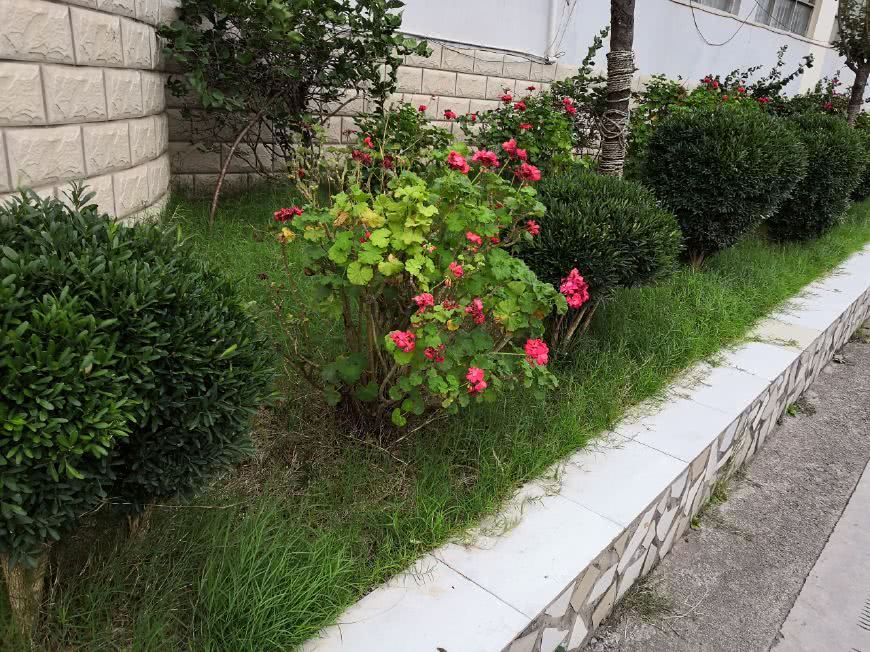
In the green belts of city streets and schools, have you ever noticed a kind of evergreen plant that seems never to grow any bigger, known by people as the dwarf plant? No matter how the wind blows and the sun scorches, it never changes its noble character, bringing people greenery and joy.
Today I went to my old high school for a parent-teacher meeting for my child, and I saw those familiar dwarf plants again. I still remember that when I was in high school it was this big, and now 23 years have passed, and it is still this big. By the way, it is the boxwood (Buxus) that never grows big even in a thousand years, known as the "thousand-year dwarf."
Boxwood has a very long lifespan, but its growth rate is very slow; in a hundred years it cannot be sawn into planks, and in a thousand years it cannot be made into a bridge. Precisely because boxwood grows extremely slowly, it is an excellent tree species for making bonsai. Once boxwood is made into a boxwood bonsai, large specimen pieces are worth over ten thousand. The boxwood bonsai below, a friend says, has been in the pot for 10 years and the tree is a hundred years old; when purchased, it cost 23800 yuan.
How to care for a boxwood bonsai. First is the soil: boxwood does not demand much from soil, as long as it is soil it will do. But since it is a bonsai, in order to increase the water retention of the potting soil, it is best to add one third or one half yellow clay soil to the soil. Yellow clay soil not only helps retain water, but also helps stabilize the root system.
Next is sunlight. Careful friends will easily notice that the boxwood in the green belt has no other trees to shade it, yet it grows very well, lush and green all year round. This shows that boxwood likes to bask in the sun, and the more sufficient the light the better; a growing environment that is too shady is instead not good for boxwood's growth. But be careful that while ensuring sufficient light, the pot must not lack water.
Third is to watch out for frost. Potted boxwood is not the same as field-planted boxwood; in places where there is rather severe frost in autumn and winter, potted boxwood needs cold protection and warmth preservation, otherwise the leaves and roots are very easily frostbitten, affecting its ornamental value and the sprouting of the coming year.
What kind of boxwood bonsai is highly valuable? According to bonsai friends' aesthetic views on boxwood bonsai, boxwood bonsai emphasizes years of training and cultivation skill; highly valuable boxwood bonsai often have thick, large root bases and jagged, mottled branches and trunks. If you grow a boxwood bonsai now, after about 50 years it will surely become a top-quality boxwood bonsai worth over ten thousand, or even a hundred thousand.
The boxwood in the green belt that never grows big even in a thousand years is worth over ten thousand when made into a bonsai. What are you still looking at? Hurry up and go plant one!