Osmanthus yellow leaves hard to deal with? Pay attention to these 3 points and you can easily solve it
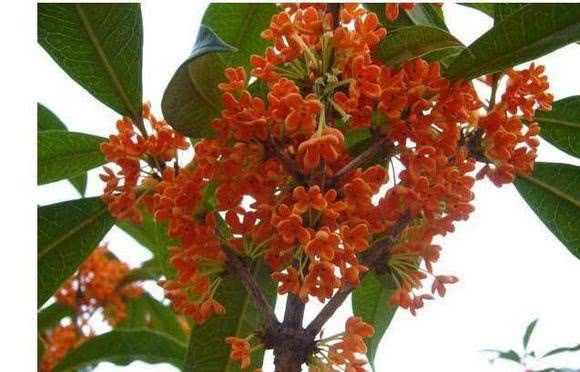
Osmanthus is a plant with a rich fragrance. Usually, osmanthus trees are often seen in parks, and many friends also keep a small osmanthus in their yards. But if we find yellow leaves on the osmanthus we are caring for, what should we do?
1. Yellowing osmanthus leaves may be caused by watering too much. Watering plants is an unchanging principle, but how should we water? How much is appropriate? These all require us to have some experience before we can do them well. Take osmanthus for example. When watering, we need to control it. Generally, watering once a week is enough, because there is also moisture in the air at ordinary times.
We do not need to worry that the osmanthus will dry out, because all plants are like this: less water is better than too much, because if there is too little water we can add more. Although the leaves will grow a bit wilted, if there is too much water, the leaves turn yellow and black, and we also have to remove the pot to let the water dry out, which is troublesome.
2. Yellowing osmanthus leaves may also be caused by light. We generally place osmanthus outdoors for care. This is no problem in spring and autumn, because in these two seasons, the climate is comfortable and the temperature is moderate, which is good for plant growth, and the light is not strong either. However, in summer, the light is too strong. If the osmanthus is not moved indoors in time, the leaves will turn yellow because of the light. Usually the new leaves first show yellow edges and black edges, the kind that have been scorched by the sun. We need to move it indoors in time, place it in a ventilated spot, and mist the leaves to lower the temperature.
3. We also need to pay more attention when fertilizing osmanthus, because concentrated fertilizer can burn the roots. Also, when fertilizing osmanthus, phosphorus and potassium fertilizers are mostly used. This mainly allows the osmanthus branches and trunks to grow thicker and stronger, which is good for later flowering. But we must dilute the fertilizer before using it. So what are the signs of root burn?
The old leaves will be rather thick and have no luster. We can feel it by touching them with our hands. Then the new leaves are slightly yellow. At this time we need to pay attention. First add some water appropriately to dilute it and see the effect. If the effect is not good and the situation worsens, we need to remove the pot, rinse away the excess fertilizer, place it in a cool place to dry, and replant it.
So when we care for osmanthus, these three points need special attention. We can make a watering and fertilizing schedule, wait until the time comes to do it, and record the amounts well. In this way, when caring for it in the future, we will have a reference, and we will not always kill the plant.