In autumn, these 4 kinds of water kill a pot with every watering, and most people water wrongly
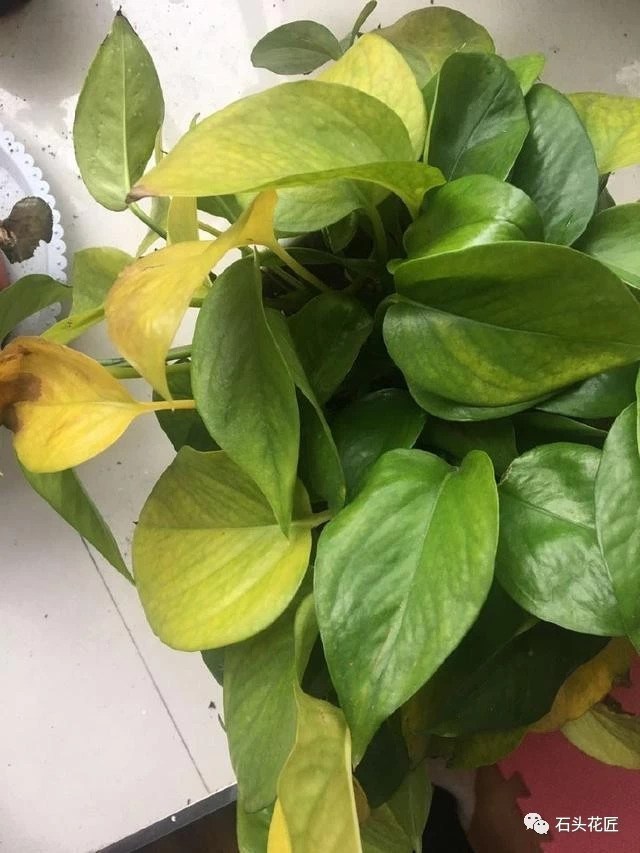
With the arrival of autumn, the weather is cool and the temperature is suitable. After a short dormancy through the summer heat, many flowers grow rapidly in autumn. Therefore, when growing flowers in autumn, you should tend to them in time, and improve fertilization, watering, light and other aspects. Especially watering and fertilizing. Many flower lovers do not understand the techniques of watering and fertilizing in the process of growing flowers, and improper care will cause the plants to die.
So today I will introduce to you that when growing flowers in autumn, three kinds of water cannot be used directly to water flowers, otherwise every pot you water will die. Many flower lovers make this mistake, so you must avoid watering this way when growing flowers.
Watering flowers directly with tap water
Especially for friends living in cities, because they are busy every day and the pace of life is fast. They keep some green potted plants at home, and sometimes have no time to care for them. When they see the flowerpot has dried out, they directly move the flowerpot under the faucet and water it with tap water. This way of watering flowers is wrong. On the one hand, tap water has been disinfected and contains disinfectant powder. After being poured directly into the flowerpot, it will produce acidic substances at the roots, causing the plant roots to rot. On the other hand, the temperature of tap water is generally lower than the ambient temperature in which the plant grows. Directly watering potted plants with lower-temperature tap water will damage the roots and affect the normal growth of the plant.
The correct way to water flowers
Throughout the four seasons of the year, the correct way to water flowers is this: when you are about to water the flowers, put the tap water into a basin and let it sit for 2 hours, so that the water temperature is close to the ambient temperature and the disinfecting substances in the water break down. Watering flowers with this kind of water is the safest and will not harm the plant roots. Generally, when watering potted flowers, it is best to water thoroughly at one time, and do not let water accumulate in the pot.
Watering flowers with insufficiently fermented soybean water
Many friends who grow flowers have summed up all kinds of small tips for growing flowers, such as using soybeans from home, boiling them, putting them into a plastic bottle to ferment, and then using them to supplement fertilizer for flowers, with very good results. But some flower lovers are too impatient and use the soybean water to water flowers before it has fermented sufficiently, and in the end the plant roots rot and the soil becomes compacted, with more loss than gain.
Correct use of soybean water for watering flowers
The fermented aqueous solution of soybeans is rich in nitrogen and works very well as a fertilizer for growing flowers. But when using soybean fertilizer, it must be fully fermented. Generally, you need to mix boiled soybeans with water, put them in a plastic bottle, and place them in a cool place to ferment for at least two weeks; when you see white foam produced in the bottle, it means the soybean fertilizer has fermented sufficiently. If you think the soybean fertilizer has an odor, you can add some orange peel to the bottle during fermentation, which can break down the odor. When using soybean fertilizer, it is safest to dilute it at a ratio of 1:10 before watering flowers. In this way, the plant roots will not be burned or rotted. Generally, soybean water can be poured into the pots of clivia, spider plant, pothos and kalanchoe, so that the plants can fully absorb it and grow luxuriantly.
Not fermenting rice water and using it to water flowers is wrong
Every household has rice water. Generally, when cooking in the kitchen, the water used to wash rice can be used to water flowers. But this kind of rice water must be fermented later before it can be used to water flowers. Freshly washed rice water is generally alkaline. If it is poured directly into the flowerpot, it will make the soil compacted, and if unfermented rice water is poured into the flowerpot, it will ferment inside the pot and produce heat, burning the roots.
Correct use of rice water for watering flowers
Put the water used to wash rice into a plastic bottle and place it in a cool place to ferment for two weeks. When you see bubbles and foam produced in the water, it means it has fermented sufficiently. Then dilute the rice water with clean water at a ratio of 1:1 and pour it directly into the pots of money tree, anthurium, pothos and spider plant. It can supplement the plants with rich elements such as nitrogen, phosphorus and potassium, and can also adjust the soil pH.
Watering flowers directly with expired milk
Milk is rich in nitrogen and calcium. If you have expired milk at home, it can be used to water flowers. But this expired milk must be fermented and diluted with water before it can be used to water flowers. Many friends directly pour expired milk into the flowerpot, and in the end not only cause the plant roots to rot, but also cause large clumps of soil compaction, with more loss than gain.
After the milk is fully fermented, dilute it to water flowers
Generally, if you have expired milk at home, you can put it into a plastic bottle, add some clean water, and after two weeks of fermentation, when you see white foam produced in the milk, it means it has fermented sufficiently. Then add an equal proportion of water to dilute it and pour it into the pots of snake plant and pothos. It can provide rich nitrogen and calcium for plant growth, and make the snake plant and pothos produce glossy green leaves.
So when watering several kinds of flowers, these 4 kinds of water must be treated in advance before they can be used to water flowers and play their role. If used improperly, the result will be the opposite of what is desired.
Of course, there is more rain in autumn, so you can also collect rainwater to water flowers. The effect of watering flowers is the best, and it is rich in various nutrients. It is also safe and convenient to use.
That is all for today's sharing. If you find it useful, please like it below, follow, and forward it to more friends.
I am [Stone Flower Gardener], and I share little knowledge about growing flowers every day. Remember to follow me!