The pothos was put in the wrong place - no matter how easy it is to grow, its leaves will turn yellow within days
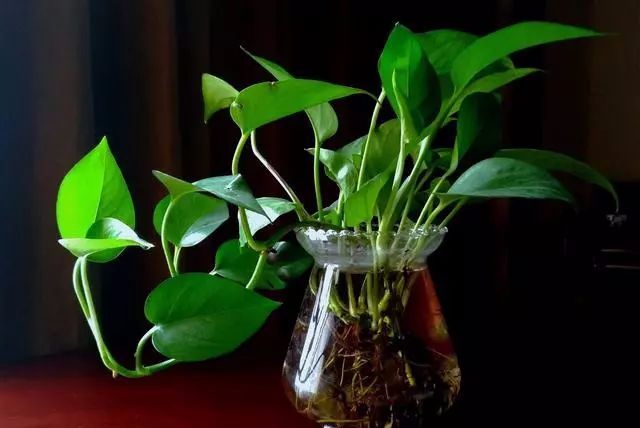
Pothos is a relatively easy plant to grow, and many plant lovers have one at home. I have one too, and today I happened to discover that my pothos has already climbed up to the balcony of my upstairs neighbor!
But why is it that everyone says pothos is easy to grow, yet you still can't grow it well? It's actually quite likely that you've placed it in the wrong spot, causing its leaves to turn yellow. Let's take a look together with the editor today to find out the reasons~
Pothos leaves are emerald green and glossy, looking especially full of vitality and energy. Keeping a pot at home can add a touch of greenery to your interior, delight both body and mind, and purify the air.
Pothos is best not placed here:
1. Casually tossed onto an outdoor balcony
Many plant lovers think pothos is tough and easy to grow, so they don't pay much attention to it - after watering, they just toss it onto the outdoor balcony. Pothos is very afraid of cold, and below 5°C it easily wilts. If your home is very cold, you can cover it with a plastic bag to keep it warm.
2. Placed on underfloor heating or near an air conditioner vent
Some plant lovers worry that their pothos will be cold, so they put it directly on underfloor heating or near an air conditioner vent - truly a case of good intentions doing bad things. The temperature from underfloor heating or an air conditioner vent is too high, and the air humidity is too low. Over time, the pothos leaves will dry out and curl. Move it away quickly.
Pothos is best placed here:
1. On top of a cabinet or on a coffee table
Placing pothos on top of a cabinet or on a coffee table in the living room is quite suitable. It not only ensures a diffused-light environment, but the pothos branches and leaves hanging down will look very beautiful, serving to decorate the interior.
2. By the living room window
In winter, sunlight intensity is low, so let pothos get more sun to ensure sufficient light. However, in other seasons, it needs appropriate shading.
Give pothos a drink of this, and it will grow green and fast!
1. Give it some soybean water
Prepare a small handful of soybeans, boil them in water for 40 minutes, let them cool, then put them into a plastic bucket or an empty oil container. Add clean water and a small amount of brown sugar, put the lid on, and place it on the balcony. Every 3 to 5 days, open the lid to release gas. In 2 months it will be fully fermented.
Fully fermented soybean water has no foul smell, only a slight sour odor. Pour out the clear liquid on top and dilute it with clean water. The ratio of soybean water to clean water is 1:40. Use it to water pothos when the room temperature is above 15°C, once every 2 to 3 weeks.
2. Give it some rice-washing water
Collect the rice-washing water left over from washing rice as usual, put it into a plastic bottle, add some brown sugar to promote fermentation, put the lid on, and place it on the balcony. Every 3 to 5 days, open the lid to release gas. In 1 month it will be fully fermented.
When the rice-washing water becomes cloudy and yellow, it is fully fermented. Pour out the clear liquid on top and dilute it with clean water. The ratio of rice-washing water to clean water is 1:30. Use it to water pothos when the room temperature is above 15°C, once every 2 to 3 weeks.
Some plant lovers say that the pothos they keep at home has never been misted, yet it is covered with crystal-clear water droplets - truly amazing! Could they have grown a fake pothos? Congratulations to this plant lover, because she has grown her pothos so well! What exactly is going on?
Why does pothos guttate?
When the transpiration of pothos weakens, the moisture released from the leaf stomata decreases, while the roots are still absorbing water, causing the amount of water taken in to exceed the amount released. If your pothos has strong roots, a relatively strong root pressure will push the excess water out through the hydathodes at the leaf edges or leaf tips, and the pothos will guttate!
Pothos guttation mostly occurs at night or on warm, humid mornings. The more it gutttates, the more vigorous its growth and the stronger its root system!
Pothos guttation is truly quite beautiful, with crystal-clear water droplets hanging on the glossy green leaf tips. Just seeing it can lift your mood. To grow pothos to the healthy state of guttation, root care is key. The editor will teach you a few guttation care secrets - come and learn!
1. The soil must be loose and breathable
When mixing soil, plant lovers should choose soil with strong water permeability and aeration to avoid root rot. You can mix leaf mold, coconut coir, and organic fertilizer in a 1:1:1 ratio. Only when the roots grow well will the pothos guttate.
2. Choose pothos with long vines
When buying pothos, plant lovers can choose one with relatively long vines. This kind of pothos has more roots and is also easier to grow.
3. Fertilize regularly
If pothos is to grow healthily, it certainly cannot do without fertilizer. You can buy nutrient solution or use rice-washing water or soybean cake water. When nutrition keeps up and the roots grow well, you won't have to worry about the pothos not guttating!
4. Do not overwater
Overwatering can cause water to accumulate in the pot and lead to root rot. In winter, plant lovers only need to water once every 7 days, and then frequently mist the leaves to maintain a certain level of air humidity.