Before the autumn harvest, these 3 flowers are very thirsty; the more often you water them, the faster they grow
Growing flowers indoors has become part of many people's lives. When there is nothing else to do, tending plants, watering and fertilizing, feeling the growth and changes of the flowers and experiencing the growth of life, is also a very meaningful thing.
In addition, growing flowers indoors not only greens up the home. It can also purify the air and has a certain effect on the health of family members. So the better the flowers are grown indoors, the more vitality there is, making people feel warm and cozy.
With the arrival of autumn, the weather is cool and the temperature is suitable, which is very good for the growth of flowers. In this season, it is the golden period of rapid growth for many flowers, so whether it is fertilizing, lighting or watering, all must keep up with the growth needs of the plants. Today's topic is:
Before the "autumn harvest", these 3 flowers are very "thirsty"; the more often you water them, the faster they grow
Generally after the autumn harvest, the temperature gradually drops. Plant growth then becomes relatively slow. So from now until the autumn harvest, if you want these 3 common household flowers to grow luxuriantly, you must give them sufficient watering and fertilizing, so the plants can grow green and lush.
Spider plant
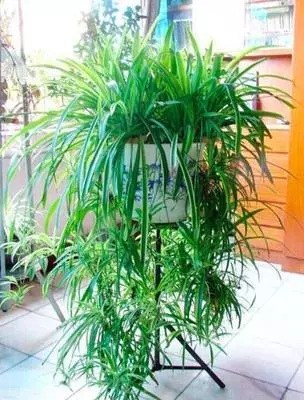
The spider plant (Chlorophytum comosum) is the most common household flower, very easy to grow and suitable for many novice flower growers to keep.
After entering autumn, the spider plant enters a period of rapid growth, so it needs frequent watering to speed up plant growth. When watering, you can choose an aspirin solution: use one aspirin tablet dissolved in 500 grams of water, and after it fully dissolves, pour it into the spider plant's pot to promote the growth of the plant's roots and leaves. If you choose the aspirin solution every time you water, the plant will grow very quickly.
Pothos
Pothos (Epipremnum aureum) has become a mass-market flower. Whether at home or in the office, you will see the lush green presence of pothos. As the autumn weather gradually cools, pothos also begins to grow wildly, so in autumn you should water pothos frequently and fertilize it more.
When supplementing fertilizer, it is recommended to fully dissolve the fertilizer in water and directly water the pothos with the water-fertilizer mix. Because pothos is a very typical foliage plant and likes nitrogen fertilizer, at this time you can dissolve a quick-acting compound fertilizer in water and directly pour it into the pothos pot; according to the growing conditions and environment, water once every 3 to 6 days. With the water-fertilizer mix, the pothos will grow glossy green and lush leaves.
Pennywort
Pennywort (Hydrocotyle vulgaris) is a very easy-to-grow green potted plant; put it in a flower pot and it will take root and sprout. If the growing conditions are suitable, it can take root and sprout within a month. Many flower growers choose to keep a pot of pennywort indoors, because it has a very good meaning: attracting wealth, boosting wealth and bringing good fortune.
Because summer temperatures are too high, pennywort will enter a brief dormancy. After autumn, the pennywort plant wakes up. It enters a period of rapid growth. So if you want pennywort to grow green and lush, you must fertilize and supplement nutrients in autumn. To fertilize pennywort, you can choose the same fertilizer as for pothos - quick-acting compound fertilizer. But use it according to the instructions to prevent over-fertilizing, otherwise it is easy to cause root rot and leaf burn in pennywort.
If you want these three kinds of flowers to grow well, fertilizing is only one aspect. Besides fertilizing, it is best to place them in a place with scattered light, or, if conditions allow, flower growers can simply put them outdoors for care; outdoors the light is comprehensive and the environment is airy, so the plants will grow faster and will not become leggy.
Especially for pennywort, you must control the light well. In autumn there must be sufficient scattered light to maintain a neat, upright plant shape; otherwise, due to too much fertilizer and too little light, the plant will become leggy and droop.