Bonsai care requires long-term persistence; once formed, it is as refined as a beauty
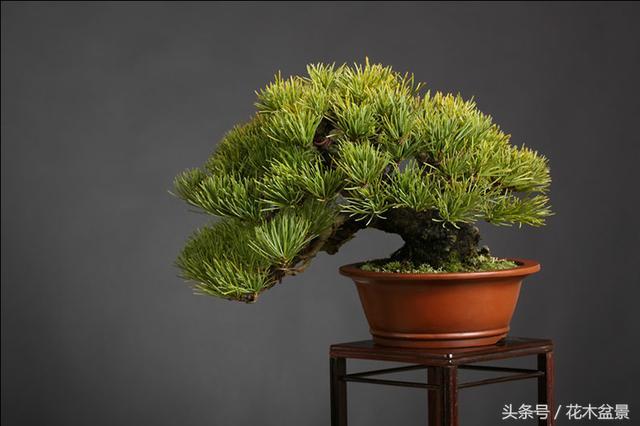
People who love flowers, trees and bonsai are all people of refined taste
No matter how well a bonsai is made, if it is not cared for well, it still cannot show the beauty of the bonsai. Of course, if the making is poor, no matter how well it is cared for, it is just a potted plant, and at most you can appreciate a lush, thriving sense of auspiciousness, with basically no connection to art at all! A formed bonsai is like a beauty, requiring long-term care to keep it charming for a long time. After a bonsai is formed, part of it is thoughtfulness, and part of it is continued hard work.
Making focuses on the management of layout, structure and lines, while care is the sublimation of the temperament after styling! First is the supplementing and perfecting of the styling, and second is cultivating the spiritual temperament and cultural connotation of the bonsai. The sense of age of the bonsai, the sense of density of the branches and leaves, the sense of transition between branches, and the sense of harmony of the structure all need to be completed through care.
Care should be said to be a second creation and polishing; it not only requires scientific knowledge but also cultural and artistic accomplishment. Care is an important part of the process of appreciating and enjoying bonsai, and it must never be neglected!
The purpose of on-tree management of bonsai plants is to maintain and perfect the artistic styling and landscape effect of the bonsai plants, prevent disease and insect damage, and ensure the healthy growth of the bonsai plants.
Preserving and altering the form of general tree bonsai
Once a bonsai plant has been cultivated into shape, the subsequent care work should try as much as possible to maintain the existing artistic styling, generally not making major changes, only small adjustments. In daily management, mainly through bud removal, shoot thinning, pinching and other pruning measures, the growth of branches and shoots is controlled so that they do not destroy the existing artistic styling. This is the issue of preserving the form of bonsai plants. In some cases, under the influence of disasters such as wind damage and disease and insect pests, large branches of a bonsai plant may break or die, and in this case, preserving the form is no longer possible; at this time, a new tree form should be cultivated anew. This is the issue of altering the form.
Bonsai plants are in constant growth and change, and it is impossible to make the tree form absolutely unchanged, so preserving the form can only be relative. The process of preserving the form is the continuous adjustment of the changed branches so that the tree form appears unchanged overall, but changes in details are unavoidable. This continuous adjustment of branches during form preservation is not mechanical, but a process of re-creating the artistic styling of the bonsai, and this is precisely where the continuity characteristic of bonsai artistic creation lies.
The measures for preserving and altering the form of tree bonsai still cannot be separated from pruning and binding techniques. This involves the content of bonsai artistic styling and requires separate in-depth discussion, so it will not be elaborated here.
On-tree management of flowering plant bonsai and fruit tree bonsai -- promoting flower bud differentiation
Flowering plant bonsai and fruit tree bonsai must have flowers and fruit present to have the best ornamental effect, and the prerequisite for flowering and fruiting is the formation of flower buds. Therefore, in the care and management of flowering plant and fruit tree bonsai, in addition to paying attention to preserving or altering the form, attention should also be paid to promoting the formation of their flower buds.
It is generally believed that the massive accumulation of nutrients such as carbohydrates in the plant body is the prerequisite for the formation of flower buds. Therefore, any measure conducive to increasing the accumulation of nutrients in the plant body can promote flower bud differentiation. These measures mainly include:
1. Strengthen the supply of fertilizer and water to promote robust growth of branches and shoots, which can increase the production of photosynthetic products.
2. Use measures such as pinching and leaf removal to control excessive growth of vigorous branches, so as to reduce the consumption of nutrients.
3. For flowering plant bonsai, after the flowers fall, remove fruits with no ornamental value to save nutrients.
4. For vigorous trees and large branches with excessively strong growth, measures such as girdling and ring barking can be used to inhibit their growth and increase nutrient accumulation.
5. Applying additional phosphorus and potassium fertilizer during the flower bud differentiation period is also an effective measure to promote flower bud differentiation.
On-tree management of fruit tree bonsai -- ensuring fruit set
Some varieties in fruit tree bonsai have a low fruit set rate, and fruit preservation measures must be taken to increase the fruit set rate. Commonly used fruit preservation measures mainly include artificial pollination; with artificial pollination, it should be noted that many fruit tree varieties must be cross-pollinated to bear fruit. Spraying gibberellin during the flowering period can also increase the fruit set rate of some tree species.
Prevention and control of diseases and insect pests
Bonsai trees grow in limited pot soil, their growth is inhibited, and their resistance to diseases and insect pests is generally lower than that of field-planted trees. Once diseases and insect pests occur, the harm is great. Therefore, for bonsai plant diseases and insect pests, the policy of "prevention first" should be adopted, trying as much as possible to avoid the occurrence of diseases and insect pests, and when they do occur, they should be thoroughly treated according to the principle of "treat early, treat small, treat completely" so as not to let them spread. The main preventive measures for bonsai tree diseases and insect pests are:
1. Use decomposed fertilizer and disinfect the soil.
2. Strengthen the daily management of bonsai. Scientific fertilization, watering and pruning; the placement site should be clean and free of weeds, maintain suitable temperature and humidity, and keep the air circulating with suitable light.
3. Spraying 1% Bordeaux mixture 1-3 times on bonsai plants in spring can prevent many fungal and bacterial diseases.
4. Strengthen plant quarantine and eliminate sources of infection. Newly introduced bonsai plants from home and abroad must be strictly inspected according to the quarantine objects stipulated by the state to prevent quarantine objects from entering the local area. Newly excavated or purchased tree stumps must be carefully checked for diseases and insect pests; if there are diseases and insect pests, prevention and control measures should be taken promptly. When diseases and insects appear on individual bonsai plants, they should be isolated promptly to prevent spread.
Each different variety of plant will also have many distinctions in details. For the bonsai tree species you like, you need to strengthen a deep understanding of and familiarity with its attributes, so that you can manage and care for it in combination with local climate characteristics, ensuring that its styling can radiate the brilliance of artistic beauty for a long time.
For more bonsai, flowers and plants information, please follow the WeChat public account: Huamu Penjing; Yanghua Renjia