Are fruit and vegetable cleaners useful? This is how to wash them to remove pesticide residues
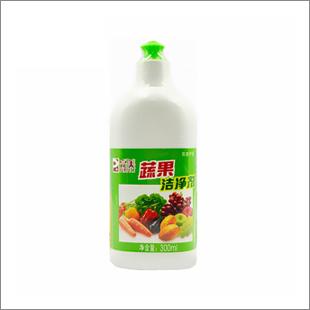
These days many people have doubts about pesticides, and some manufacturers have launched dedicated fruit and vegetable cleaners, so what is the best way to wash fruits and vegetables? The Taiwan Agricultural Chemicals and Toxic Substances Research Institute suggests that if people wash fruits and vegetables by soaking or rinsing them in running clean water, that is enough; there is no need to soak them in salt water, baking soda, or fruit and vegetable cleaner.
To understand the effectiveness of simple pre-eating preparation methods that the general public often uses, such as washing, removing stem ends, peeling, and shelling, in removing pesticide residues from fruits and vegetables, the institute has conducted tests over the past 3 years on the effects of pre-eating preparation on pesticide residues, including that after pineapple, citrus, and lychee were peeled, the pesticide residue removal rate was 40% to 100%; after strawberries were washed and their stem ends removed, the pesticide residue removal rate reached 47% to 92%; after 2 to 3 outer leaves of cabbage were removed, the pesticide residue removal rate reached more than 90%; after cowpea, cucumber, bok choy, and bell pepper were washed for 1 minute, the pesticide residue removal rates were 43 to 70%, 28 to 93%, 75 to 85%, and more than 80%, respectively.
The institute suggests that before washing grapes, they should be cut off the stem first and then washed.Wash first, then peel.
The institute also suggests that the principle of pre-eating preparation is to wash first and then peel, remove stem ends, and cut, so as to avoid pesticide residues on the surface of fruits and vegetables seeping into the tissue through the cut surfaces. For small leafy vegetables such as bok choy, the leaves can be spread open and soaked in running water before cutting; for headed leafy vegetables such as cabbage, since most pesticide residues remain on the outer leaves, first remove 2 to 3 outer leaves, then cut off an appropriate amount and directly soak and wash in running water.
For fruiting vegetables such as tomatoes and bell peppers, uneven surfaces can be lightly brushed and rinsed with a soft-bristled brush, then the stem ends can be removed and the vegetables cut; for pod vegetables such as peas, first soak and wash in running water, then remove the ends and tough strings; for small berries such as grapes, cut the fruit off with the stem attached before washing, then wash in running water; for pome fruits such as pears, first wash the peel in running water, then peel before eating.
The institute said that by choosing in-season fruits and vegetables that bear certification marks or are traceable, and washing them correctly, the whole family can eat with peace of mind and good health.