Put coal cinder and loofah sponge in the flower pot, and the potting soil will be loose and fertile without repotting for a year
More and more people are growing flowers now, which fully shows that potted flowers have entered the lives of the general public. Although there are more people growing flowers, not everyone can grow them well. When growing flowers, besides understanding the growth habits of various potted flowers, you also need to "learn and apply flexibly," carefully studying the characteristics of the flowers and the tricks in daily life. In short, if you grow flowers "attentively," any flower will grow more and more vigorously. Next, let me share a little trick for growing flowers: putting "coal cinder, loofah sponge" and other waste materials in the flower pot can make growing flowers simpler. This is also "turning waste into treasure"!
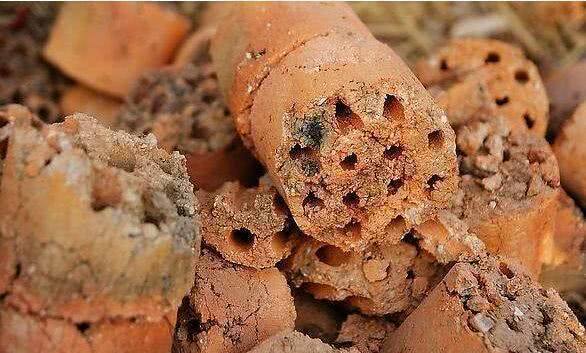
Coal cinder placed at the bottom of the flower pot
I remember that when I was a child, my family grew quite a few flowers. At that time, there was no heating in winter, let alone money to buy an air conditioner, so we only burned a stove. One coal ball after another was used up, and what was left was more coal cinder than we knew where to put. Coal cinder, by rights, was not much use. But sometimes it was not easy to find soil for the flowers at home, so we simply used coal cinder to replace some of it and placed it at the bottom of the flower pot. And sure enough, coal cinder itself is soft in texture and has very good air permeability and water permeability, because whether it was spider plants, clivia, or pothos at home, every one of them grew extremely vigorously.
Loofah sponge placed at the bottom of the flower pot
I believe children who grew up in rural areas must know the uses of loofah sponge. First, it is used for scrubbing pots and washing dishes; second, it can be used to grow flowers. The reason loofah sponge is used to grow flowers is also because it has a fibrous structure, so its ability to let air through, let water through, and even keep warmth is very strong. Just like in the picture above, after drying the loofah sponge in the sun, cut it into small pieces 2 cm long, then directly place them at the bottom of the flower pot. In this way, the soil will not block the holes of the flower pot, and instead it is even better for drainage. After all, if there is too much accumulated water in the flower pot, it can easily lead to root rot.
Small stones placed at the bottom of the flower pot
Besides the coal cinder and loofah sponge mentioned above that can be placed at the bottom of the flower pot, small stones are also a good option. For some small foliage plants or flowering plants, you can absolutely place small stones at the bottom of the flower pot, also for the purpose of water permeability and air permeability. Of course, this method is not suitable for the pots of large foliage plants. For example, for Peace Lily and Money Tree, because the pots of large foliage plants are very large, and with more soil they are already very heavy, they are not easy to move. So many vendors in flower markets invented a little trick: replacing small stones with foam, which is both light and easy to move, and also has an air-permeable effect.
For the small items placed at the bottom of the flower pot shared above, everyone must learn this trick. After all, this method can promote the growth of flower roots and prevent root rot. In this way, no matter which of these things you put in, even if the flower pot is not repotted for a year, it will not affect the growth of the flower plants. Besides the three things mentioned above, you can also put in pine needles, leaf mold, and so on.
Thank you for reading! Remember to like and share~