September is the perfect time for cuttings, miss it and you'll wait another year
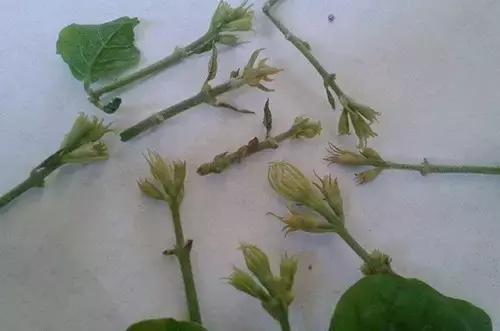
In the blink of an eye it's mid-September, and the autumn tiger heat is gradually fading. The temperature is pleasant, the sunlight has lost its summer intensity, and many flowers have entered their best cutting period of autumn. Flower lovers who want to take cuttings of these flowers need to start getting ready.
Jasmine
1. Jasmine should be pruned appropriately in autumn. After pruning, select healthy branches as cuttings, and cut one end into a slanted cut.
2. Leave two leaves, then cut off half of each leaf to reduce water and nutrient consumption.
3. Prepare sterilized river sand, water it beforehand to moisten it, and insert the cuttings into the sandy soil.
4. Place in a ventilated, shaded spot, and they can sprout in about one month.
Rose
1. Select healthy flower branches that have not yet sprouted flower buds. Cut the upper part from above the axillary bud, then cut diagonally downward into a horseshoe shape, leaving a length of three cm, as the cutting.
2. Prepare clean river sand or vermiculite, insert the rose cuttings, and water thoroughly.
3. Place in a shaded, ventilated spot, check the soil moisture in the morning, noon and evening, and spray water to keep it moist.
4. Maintain a temperature of 20 to 28 degrees, and in about two weeks they will take root, then sprout new leaves.
5. Move to a spot with sufficient light, and care for them normally until the root color turns brown, then transplant.
Hydrangea
1. Select relatively healthy hydrangea branches from the current year, and cut about 15 cm.
2. Find a relatively healthy bud point, make a slanted horseshoe-shaped cut about four cm below it, and make a flat cut above the bud point, not too high and not too close to the bud point.
3. Remove the leaves, leaving just two, then cut off one half of each leaf to reduce evaporation and consumption.
4. Insert the cuttings into prepared vermiculite or peat soil, with the nodes exposed outside.
5. Place in a shaded, ventilated spot, maintain a temperature of 25 to 30 degrees, and spray water to keep it moist.
6. Generally they can take root in about 20 days, and after one month, once the roots are healthy, they can be transplanted.
Gardenia
1. Select semi-lignified healthy branches as cuttings, keep the axillary buds, leave one or two leaves, and cut off part of the leaves.
2. Insert the cuttings into prepared river sand or other seedling medium.
3. Place in a shaded, ventilated spot, maintain a temperature of about 20 degrees, and in half a month to one month, the cuttings will begin to take root.
4. Wait until the roots are a bit healthier and new leaves have grown, then transplant and care for them normally.
Spider Plant Peony
1. Cut mature, healthy branches, about 10 cm.
2. Insert the cuttings into clean river sand or peat soil or vermiculite medium.
3. Place in a cool, ventilated spot, and water to keep moist.
4. When the branches gradually stand upright and turn firm, it means the cuttings have taken root. Once the new plants are a bit healthier, they can be transplanted.
Money Tree
1. For money tree cuttings, select healthy branches from the current year, cut 10-15 cm, keep the bud points, make the lower cut in a horseshoe shape, and the upper cut flat.
2. Remove excess leaves, leaving two old leaves or new leaves at the top. If the old leaves are too large, you can cut off half to reduce consumption.
3. Insert the cuttings into prepared clean river sand, place in a cool, ventilated spot, and water to keep moist.
4. In about 20 to 30 days, the money tree will take root. Once the roots are stable and healthy and the seedlings look vigorous, they can be transplanted.