The most complete illustrated guide to tea pets in history, this one article is all you need to save
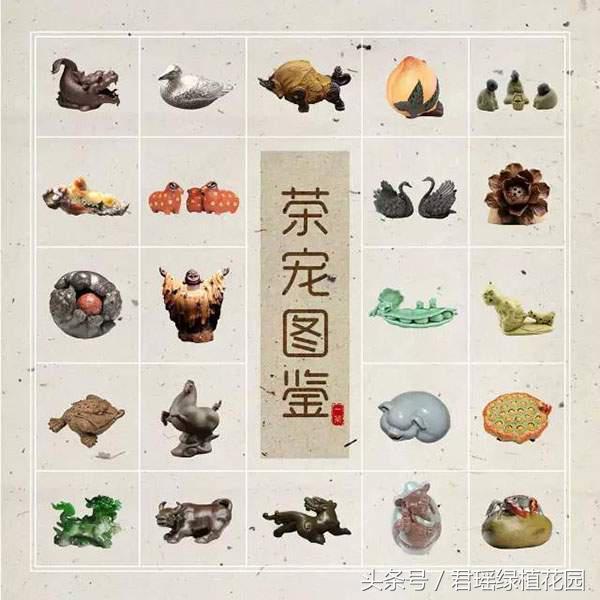
The most complete illustrated guide to tea pets in history (worth saving!)
[Definition]
A so-called tea pet is a tea person's pet. As the name suggests, it is a pet nourished by tea or an object to fiddle with while drinking and tasting tea.
Tea pets can be seen in many tea art ornaments or on tea tables. They add elegance and liveliness to the tea-drinking atmosphere and embody people's beautiful wishes. Tea pets can also reflect the cultivation and inner qualities, taste and character of the tea lover. Zisha (purple clay) tea pets may carry auspicious meanings, a cultural flavor, humorous fun, childlike charm, or the power to attract wealth and good fortune, all depending on the owner's preferences.
Tea pets can be roughly divided into the following categories by material:
[Zisha (purple clay)]
Zisha tea pets refer to tea pets made from zisha (purple clay). Zisha "tea pets" are all small pottery sculptures, including figures, Buddha statues, and small items like cats, dogs, tigers and elephants. Take one or two and place them on the tea table, whether a "God of Longevity", a "Maitreya", or a "tiger" or "evil-repelling guardian"... Their elegance lies in bringing the tea guest a tactile pleasure and the joy of appreciation. When drinking tea, dip them in tea broth and brush them, or pour leftover tea directly over them, and over the years the tea pet will become smooth and lovely, giving off tea fragrance all around. The many further benefits of zisha will not be repeated here; for details, please click "The Complete Illustrated Guide to Zisha Teapots" to learn more~
[Chengni (clarified clay)]
Chengni tea pets are made from clarified river mud. Here "cheng" refers to artificially processed silt from the Yellow River, not something that can be used directly as taken. Chengni is mainly used for making inkstones.
[Porcelain]
The reason most tea pets are made of zisha is that zisha has a double-pore structure, so tea pets nourished with zisha take on color more easily. Therefore, for porcelain used to make tea pets, materials such as Ru kiln and Qing kiln wares, which generally develop crackle glaze, are usually chosen.
[Ru kiln]
[Celadon]
[Coarse pottery]
[Stone]
Shoushan stone
Shoushan stone is one of China's traditional "four great seal stones". Because the Shoushan mining area was mined early, the old terms "tian pits, water pits, mountain pits" refer to ore mined from the field bottoms, streams and caves of this mining area. After 1500 years of excavation, the varieties of Shoushan stone that have emerged number as many as a hundred or more. Shoushan stone belongs to pyrophyllite, with a moist texture, rich luster and relatively low hardness.
[Tips]Caring for Shoushan stone
Be sure to keep it moist, and strictly avoid high temperatures. Shoushan stone is most vulnerable to dryness and high heat, so the key to care is to keep it moist. Whether raw stone or carved piece, it should be kept away from direct sunlight and high-temperature environments.
When the stone surface is soiled by dust or dirt, simply wipe it gently with a soft, fine silk cloth and it will regain its luster.
[Metal]
Strictly speaking, metal oxidizes easily on contact with water, so this type of tea pet exists on the tea mat more often in the form of an ornament.
Silver
Brass
Resin
Tea pets made with resin as the main raw material are called color-changing tea pets. These tea pets immediately turn multicolored when hot tea is poured over them, then return to their original color after cooling. Alternatively, coating a fired tea pet with a layer of chemical material that changes color when heated can also achieve the color-changing effect.
[Tips]
When drinking tea, it is best not to use color-changing tea pets, because chemical reagents have been added to the clay of the tea pet. They are for viewing only, not for tea drinking; the chemical reagents react when exposed to high heat and can easily produce toxins harmful to the human body. It is indeed a physical change, but the chemical substances contained in the clay or resin material that directly contacts the tea liquid will invade the tea, and the chemical substances produced when the materials for making color-changing tea pets are heated will also seep into the tea. It is best not to use color-changing tea pets for drinking tea.