Reasons for Gloxinia Leaves Withering and How to Fix It
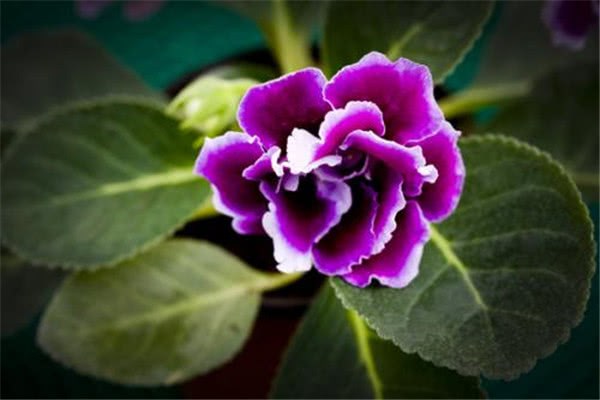
Half of the reason it develops withering is improper fertilizing, as it naturally loves fertilizer, and fertilizing once about every 10 days is best. Keep the growing temperature steady, and when watering pay attention to the cleanliness of the water and the watering technique. Regularly do pest control for the Gloxinia, and routinely disinfect its flowers and leaves.
I. Solutions
1. Fertilizing
Half of the reason the Gloxinia develops withering is improper fertilizing. Many flowers only need fertilizing once a month, but the Gloxinia naturally loves fertilizer, so this flower must be given plenty of fertilizer, otherwise it is no surprise at all that they wither. You can fertilize 3 times each month, once about every 10 days on average, and after finishing the fertilizing procedure, it is best to sprinkle some water on the leaves, as this makes it easier for them to survive.
2. Temperature
Keeping the growing temperature steady is the best way to prevent Gloxinia leaves from withering. Generally, Gloxinia leaves can only survive at a moderate temperature, and you should also pay attention to keeping the indoor humidity level adequate.
3. Watering
When watering, pay attention to the cleanliness of the water and the watering technique. Being too dry or too wet is a major taboo when watering the Gloxinia. If watering is not done according to a regular pattern, then the Gloxinia will develop severe poor growth.
II. Points to Note
The Gloxinia's pot should keep an appropriate amount of moisture present, and you must not get water on the flowers and leaves either. If you often like to keep the Gloxinia growing on a balcony or platform, move the pot indoors when it rains, do not let the flowers get rained on, and do not let too much water collect in the soil. Also, regularly do pest control for the Gloxinia, routinely disinfect its flowers and leaves, or often wipe the flowers and leaves with a clean handkerchief.