No need to worry about compacted soil. Don't dig it up and don't water it - just repot it.
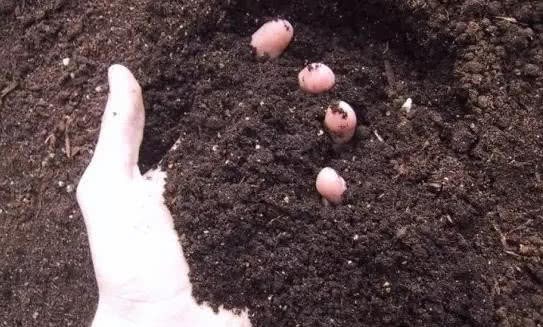
I believe every flower lover encounters all kinds of problems when growing plants, and sometimes even though you carefully care for them every single day, the plants and flowers still leave you. Actually, sometimes it's not just a matter of whether you're watering right or wrong - have you ever considered the soil in the pot? If the soil is bad, the water you pour in won't be absorbed either!
Actually, if there's nothing wrong with your general care routine, it's usually the soil that has become compacted. Soil compaction is actually quite common when growing plants. Once it happens, remember never to use a shovel to dig at it, and don't water it heavily either - these won't solve the problem at all. So what should you do? Huahua will tell you right now.
Why can't you use a shovel to dig at it? That's because once the soil becomes compacted, it means the roots of the plant have already stuck together with the soil. If you use a shovel to dig forcefully at this point, it's very easy to hit the plant's roots. Once the roots are damaged, fixing things becomes very troublesome. So remember, when you find compacted soil in the pot, don't dig!
Why can't you water heavily? When soil first becomes compacted, we usually think it's because the soil dried out and cracked from lack of water. But actually, if you water at this point, the harm caused will be even greater. Because compacted soil means it's already so hard you can't even dig through it. Watering at this point not only means the roots can't absorb it, but all the previous nutrients will also be washed away with the water flow. That's not a good solution.
If we encounter the problem of compacted soil, remember to carry out the repotting procedure. Before repotting, remember you absolutely must not water or fertilize. We need to first move the pot to a cool, ventilated place for one or two days, then choose relatively cool weather to do the repotting - early morning and evening are good choices.
When repotting, first use a small shovel to gently dig around the edge of the pot. Then turn the pot upside down and gently tap the bottom of the pot. After doing this, the soil will separate from the pot on its own. Finally, use a tool to separate the soil from the roots, and then you can transfer it to a new pot. If you find signs of root rot, remember to trim first and then soak in a disinfecting solution.
Actually, if you want to truly avoid the problems caused by compacted soil in the pot, you need to prevent this phenomenon from occurring and figure out what causes compaction. There are generally two reasons for soil compaction. The first is that the soil hasn't been repotted for a long time, causing the nutrients in the soil to gradually become insufficient, and then it clumps together. The second is that we use too much chemical fertilizer when growing plants, and eventually the excess nutrients also cause soil compaction.
So this is a reminder to flower lovers to repot your plants more often and fertilize according to their needs - that way you can care for them effectively. If you have any other good methods for dealing with compacted soil in pots, leave a comment for Huahua so we can learn together!