Orchid Appreciation Training Manual, Lesson 3: Teaching You How to Appreciate Orchids
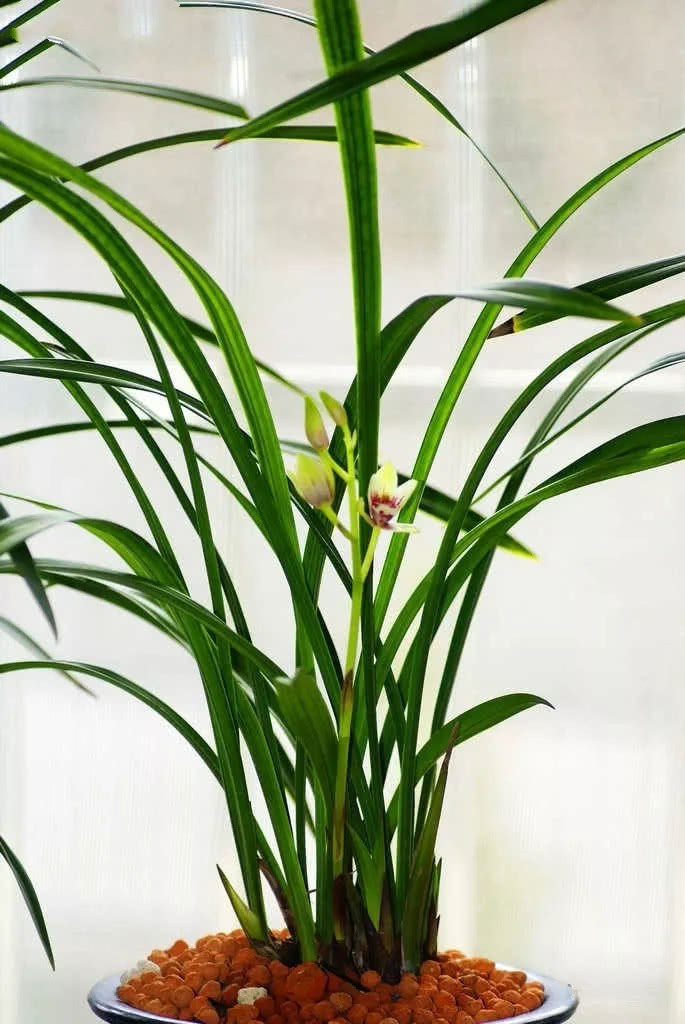
Having discussed Western orchid culture and Eastern orchid culture, let's finally talk about the differences between the cultures. Although both East and West have their own approaches to orchid appreciation, orchid appreciation is mostly directed at Chinese orchids (guolan), because the appreciation of Chinese orchids is far more complex than that of Western orchids.
Phalaenopsis (moth orchid)
For example, looking at Western orchids such as Phalaenopsis and Cymbidium hybrids, you can see that the flowers bloom very large and have brilliant colors. So Western orchid culture places more value on the more direct impressions: large blooms, vivid colors, and a rich variety of cultivars.
Cymbidium tortisepalum (lianban lan) 'Hongfen Jiaren' (Pink Beauty)
With Chinese orchids, however, you will find that the flowers are much smaller, and the cultivars are just these same few, with more emphasis on lingering aftertaste. It is like a dish of food where we value color, aroma, and taste all together, and orchids are the same. Color and fragrance are the main criteria for appreciating Chinese orchids; next come the orchid's posture and its charm. All of these reflect the subtle beauty of the East, which often pursues a sense of artistic mood.
Cymbidium hybrid (large-flowered cymbidium)
So through orchid culture, not only can the cultural differences between East and West be shown, but the differences in aesthetics between East and West are also expressed. Yet in today's society, we can see that China's market is flooded with many Western orchids, while in Western countries there is also no lack of people who love Chinese orchids. The mutual collision and tolerance between cultures have formed today's rich and colorful orchid culture.
Cymbidium tortisepalum (lianban lan) 'Jinsha Mudan' (Golden Sand Peony)